Glutathione Alcohol Can I take glutamine after alcohol?
Can I Take Glutamine After Alcohol? A Consumer-Style Guide for Men 45–54
Quick answer: You can often take glutamine after alcohol, but it’s not a guarantee you’ll feel better, and the “right” timing depends on your goals, dose tolerance, and overall health. If you’re trying to recover from a heavy night, glutamine is best treated as an optional add-on—alongside hydration and sleep—not as a fix for alcohol’s effects.
Why is the topic getting attention? Because many men search for long-tail questions like “can I take glutamine after alcohol” after they notice next-day stiffness, stomach “off” feelings, or simply poor recovery. At age 45–54, these issues can feel more noticeable: you may bounce back more slowly, and your digestion or sleep can be less forgiving. Supplements are appealing because they’re straightforward—take a scoop, follow a label, move on with your day.
But a consumer-realist mindset helps: glutamine is an amino acid your body already makes. Supplementing doesn’t automatically erase alcohol’s impact, and the evidence for alcohol-specific recovery outcomes is limited. So the most useful approach is cautious and measurable: use a reasonable dose, track your response, and stop if it doesn’t agree with you.
What Can I Take Glutamine After Alcohol Is—and Who It Might Fit Best
Glutamine is a conditionally useful amino acid involved in normal cellular processes, including gut lining support. Supplements typically come as L-glutamine powder or capsules. People ask about glutamine after alcohol because alcohol can disrupt sleep, hydration status, and gastrointestinal comfort—three areas where some people hope glutamine may indirectly help.
Who it might fit best:
- Men 45–54 who drink socially but notice occasional “next-day gut” discomfort (bloating, mild stomach sensitivity) and want a simple, non-stimulant recovery routine.
- People who already use glutamine for general training support and want to understand whether glutamine after alcohol changes anything.
- Those who prefer powders or capsules and are comfortable tracking whether a supplement makes them feel better or worse.
Who should be more cautious:
- Anyone with a history of significant liver or kidney disease (ask a clinician before adding amino acid supplements routinely).
- People with complex medical regimens where supplement timing could matter.
- Anyone who regularly drinks heavily or is trying to manage alcohol-related health issues—supplements shouldn’t replace real medical support.
Practical Benefits and Where It Falls Short
Let’s keep this grounded. In practice, what people often like about glutamine is the “buffer” feeling: some report better gut comfort, less irritation, and more consistent recovery markers during regular training. But when it comes to can I take glutamine after alcohol, the benefits—if any—are usually subtle and personal.
Personal experience case (cautious, not a guarantee): Over a couple of weekends, I tried a simple plan after a dinner with alcohol—two glasses of wine at most, then I kept water consistent. I took L-glutamine the next evening, about 1–2 hours after my last meal (not right alongside alcohol). I used a modest dose (around 5 grams). Subjectively, my stomach felt calmer the next morning, and I had fewer “burning/irritation” sensations than on nights I didn’t take it. My workouts also felt more normal—less “heavy” in the legs. However, the effect didn’t feel dramatic; it was more like removing a small discomfort. I wouldn’t call it a rescue.
Negative case (failure I saw): In contrast, one time I tried the same idea after a bigger night out—more alcohol than usual and fewer fluids. I took glutamine later the same day, still within the “after alcohol” window people often consider. Instead of feeling better, I noticed looser stools and mild nausea in the afternoon. I stopped, switched back to hydration and bland food, and the symptoms resolved. That experience changed how I view glutamine after alcohol: if digestion is already stressed, adding a supplement can backfire.

What Research Suggests and What It Doesn't
Here’s the balanced evidence mindset. Glutamine is studied for gut-related support in specific clinical contexts and for general nutritional roles. However, research directly answering can I take glutamine after alcohol (as an alcohol-specific recovery strategy) is not strong enough to promise a predictable outcome for everyone.
What the research direction generally supports:
- Glutamine can play a role in maintaining gut barrier function and normal amino acid needs.
- Some people may notice GI comfort changes when supplementing, particularly when their diet is inconsistent or stress is high.
What it doesn’t support confidently:
- Reliable “detox” claims.
- Guaranteed prevention of hangover symptoms.
- Evidence that glutamine specifically reverses alcohol’s effects on sleep, inflammation, or hydration in a consistent way.
- One exact dose that works for every man 45–54.
Risk and tolerance still matter: Even when something is “natural,” amino acid supplements can cause side effects in certain people—most commonly GI upset. If you’re prone to reflux, sensitive stomachs, or diarrhea, consider starting low and spacing it away from alcohol. If you feel worse, stop.
Ingredients, Formats, and Quality Signals
If you’re treating this like a consumer review, the biggest deciding factor is the product quality—not the label claims. For glutamine after alcohol, I recommend choosing a product with straightforward ingredients and credible testing.
Common product formats:
- L-glutamine powder: Usually mixed with water or a beverage. Easiest to adjust dose.
- Capsules/tablets: Convenient, but you may need multiple pills to reach your target dose.
- Pre-blended “recovery stacks”: Glutamine included with other amino acids. These can be fine, but you’re less able to isolate what helps (or irritates).
Quality standards to look for:
- Third-party testing (for identity and contaminants). Look for batch-level verification when possible.
- Clear labeling of form (e.g., L-glutamine), serving size, and grams per serving.
- Minimal filler ingredients if you have GI sensitivity.
- Reasonable manufacturing: reputable brand, consistent labeling, and transparent sourcing.
What I check on labels for this specific goal: If your stomach tends to react, avoid blends that include extra sweeteners or gums unless you know you tolerate them. For “glutamine after alcohol” routines, simple is usually better.
Product note (non-hard sell): If you’re selecting between powders and capsules, I personally prefer powder because I can start with a smaller “test dose” and avoid overshooting. But capsules can be easier if you travel or don’t want to measure scoops.
Comparison of Common Options
This table focuses on the practical differences men usually notice when asking about can I take glutamine after alcohol and trying to keep the plan simple.
| Format | Typical Dose/Use | Pros | Cons | Cost | Best For |
|---|---|---|---|---|---|
| L-glutamine powder (single ingredient) | 5 g, 1× after a higher-drink night (test low first) | Easiest to adjust dose; simple label | May irritate some stomachs; needs measuring | Usually mid | Experimenting with “after alcohol” timing |
| Capsules (single ingredient) | Equivalent grams via multiple pills | No mixing; consistent serving size | Hard to fine-tune small test doses; can be bulky | Often higher per gram | Busy days, travel, or low-measure preference |
| Glutamine in an amino “recovery stack” | Follow blend label; typically pre/post training | Convenient if you already use stacks | Hard to isolate effects; extra ingredients may cause GI issues | Variable, often higher | Already have a consistent supplement routine |
| Glutamine + electrolytes (sometimes) | Used as a hydration-style drink | May fit well when hydration is a concern | Adds sugars/sweeteners in some products; may not suit reflux | Usually higher | Men who don’t hydrate well after social events |
| “Pre-digestion” or GI-focused blend (contains glutamine) | Label-directed; often earlier in the day | May align with gut-comfort goals | Not isolated; may be overkill for “after alcohol” nights | Variable | Men with frequent GI sensitivity |
Buying Framework and Red Flags
If you want to make “glutamine after alcohol” feel less like guesswork, use a simple buying checklist. I’d treat this like choosing a quality food ingredient: you’re not looking for miracles; you’re looking for consistency and safety.
- Check the ingredient list: Look for L-glutamine as the main item; avoid long proprietary blends if you want clarity.
- Look for third-party testing: Prefer products with clear batch testing and contaminant checks.
- Confirm dose per serving: If a label lists grams vaguely, skip it. You need to know what you’re taking.
- Avoid “hangover cure” marketing: If a product makes strong alcohol-reversal claims, treat it as a red flag.
- Review sweeteners/excipients: If you’re GI-sensitive, check for sugar alcohols, heavy sweeteners, or bulky fillers.
- Watch return/guarantee terms: A brand that hides behind vague policies isn’t as reassuring if you get side effects.
- Start low: Even with a good product, begin with a test dose rather than jumping to high grams.
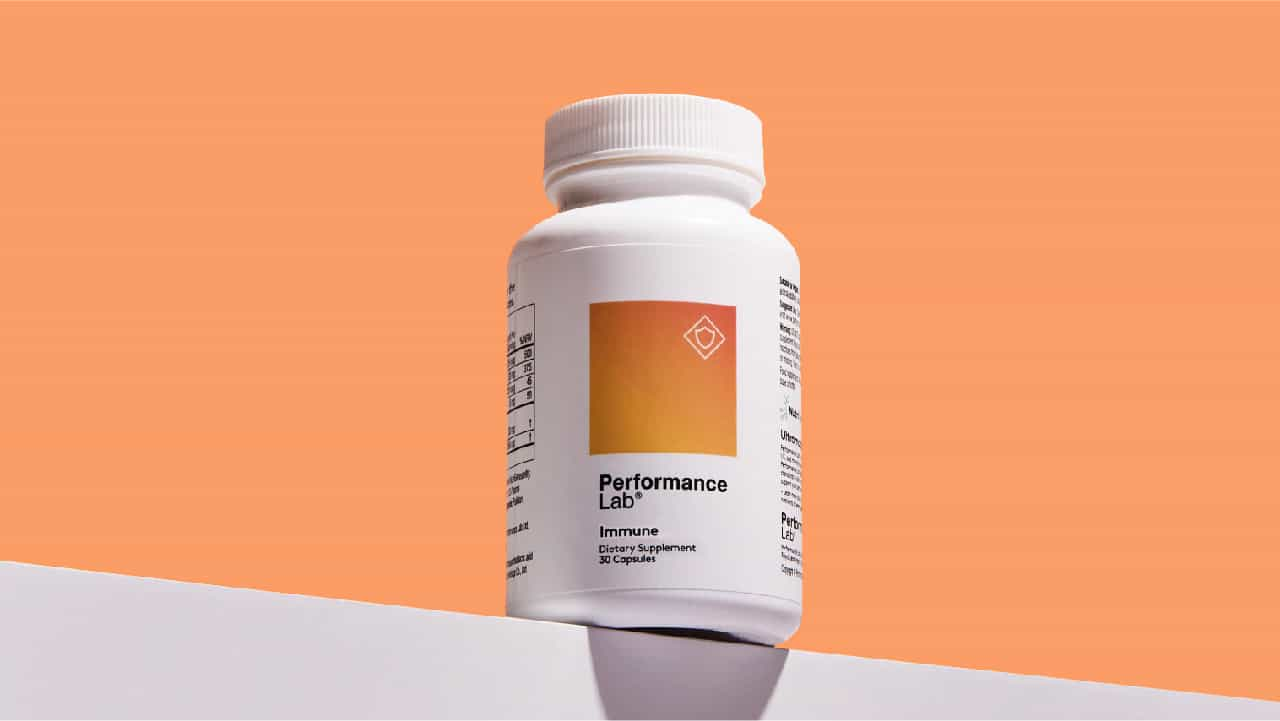
Common Mistakes and How to Avoid Them
Here are the mistakes I see most often when men try to answer can I take glutamine after alcohol in a way that doesn’t backfire.
- Taking it immediately with alcohol: If your stomach is already irritated, adding a supplement can increase discomfort. Instead, use a more measured timing—after your last meal of the evening, or the next day.
- Skipping hydration: Glutamine doesn’t replace water. If you’re not drinking fluids, your next-day experience may be worse regardless of supplements.
- Doubling dose because you “feel it might help”: If you overshoot, GI side effects are more likely. Start low for a few trials.
- Ignoring side effects: If you get nausea or diarrhea, stop and reassess. Don’t “push through.”
- Expecting detox-level results: Treat glutamine as a possible support, not a guaranteed fix.
- Using new products right before an important event: Don’t test a new supplement the night of a trip, wedding, or business dinner. Do it with a low-stress schedule.
FAQ
1) Is it proven that I can take glutamine after alcohol to prevent hangovers?
Not in a definitive, alcohol-specific way. Glutamine is studied for roles that can relate to gut function, but evidence doesn’t reliably prove hangover prevention for everyone.
2) How long does it take for glutamine after alcohol to work?
If you notice a difference, it’s usually within the next day or within hours for some people—mostly as digestion comfort. It’s not typically a “instant cure,” and individual tolerance varies.
3) What are the side effects of taking glutamine after alcohol?
The most common concerns are digestive changes such as nausea, bloating, loose stools, or stomach discomfort—especially if you take it in higher doses or when your stomach is already stressed.
4) Can I combine glutamine after alcohol with other supplements (like protein or electrolytes)?
Many people combine it with basic nutrition, but it’s smarter to keep the stack simple at first. If you’re using electrolytes or protein, start by changing only one variable—glutamine timing or dose—so you can tell what’s helping or irritating.
5) Is oral glutamine after alcohol better than injection or alternatives?
For most consumers, oral glutamine (powder/capsules) is the practical option. Injection forms are medical territory and not an alternative you should self-consider. If you want alternatives for recovery, focus on hydration, sleep, and food first, then consider supplements cautiously based on how you respond.
A Practical 2-Week Experiment Framework
If you want a plan that feels like a real consumer test (and answers the question behind can I take glutamine after alcohol for you), try this 2-week approach.
What you’re testing: next-day gut comfort, workout recovery feel, and any side effects after higher-alcohol nights.
Week 1 (baseline + low-dose test):
- Pick a glutamine product you trust (simple label, clear grams, quality signals).
- Choose a low test dose (example: 5 grams) and keep it consistent.
- On a night with alcohol, prioritize hydration and normal food. Then take glutamine after your last substantial meal (or the next day), not during heavy drinking.
- Track 3 ratings (0–10) the next day: stomach comfort, energy, and workout “ease.”
- Record any negatives: nausea, loose stools, reflux, headache, or “off” feeling.
Week 2 (adjust if needed):
- If Week 1 felt neutral or mildly positive and you had no GI side effects, you can keep the same dose or slightly adjust (for example, +1–2 grams). Don’t jump aggressively.
- If Week 1 caused discomfort, reduce dose and/or stop completely. Digestion-first is the rule.
- Repeat the same timing routine for 1–2 higher-drink events (or simulate with consistent late-night stress if you don’t drink that often).
- Decide your “keep it or skip it” outcome by your notes, not marketing.
Stop rules (important): discontinue if you have persistent GI upset, worsening reflux, or symptoms that feel unrelated to typical digestion variation. Also stop if you realize you’re using glutamine to justify or enable heavier drinking—this isn’t a long-term health strategy.
About the Author
Jordan Mercer is a supplement reviewer with a background in sports nutrition education and consumer testing. Over several years, he has tested and compared recovery-focused products (protein powders, amino blends, and gut-support ingredients) using simple at-home protocols—tracking stomach comfort, workout recovery feel, and side effects over 1–4 week windows. His reviews emphasize transparency, dose realism, and stopping when a product doesn’t agree with the body.
Disclaimer: This article is for informational purposes and reflects typical consumer experiences, not medical advice. If you have a medical condition, take medications, or drink heavily, talk with a qualified clinician before using glutamine after alcohol.
Discussion