Pay in installments of $5.28 with
 ,
 and

Shipping Estimate
USA
- USA
- CAN
- USA
- CAN
Ships within 48 hours · Estimated delivery Nov 3 - Nov 8
 Promo Codes Available:
For Your Every Summer RSVP, with Code: SUMMER15
Description
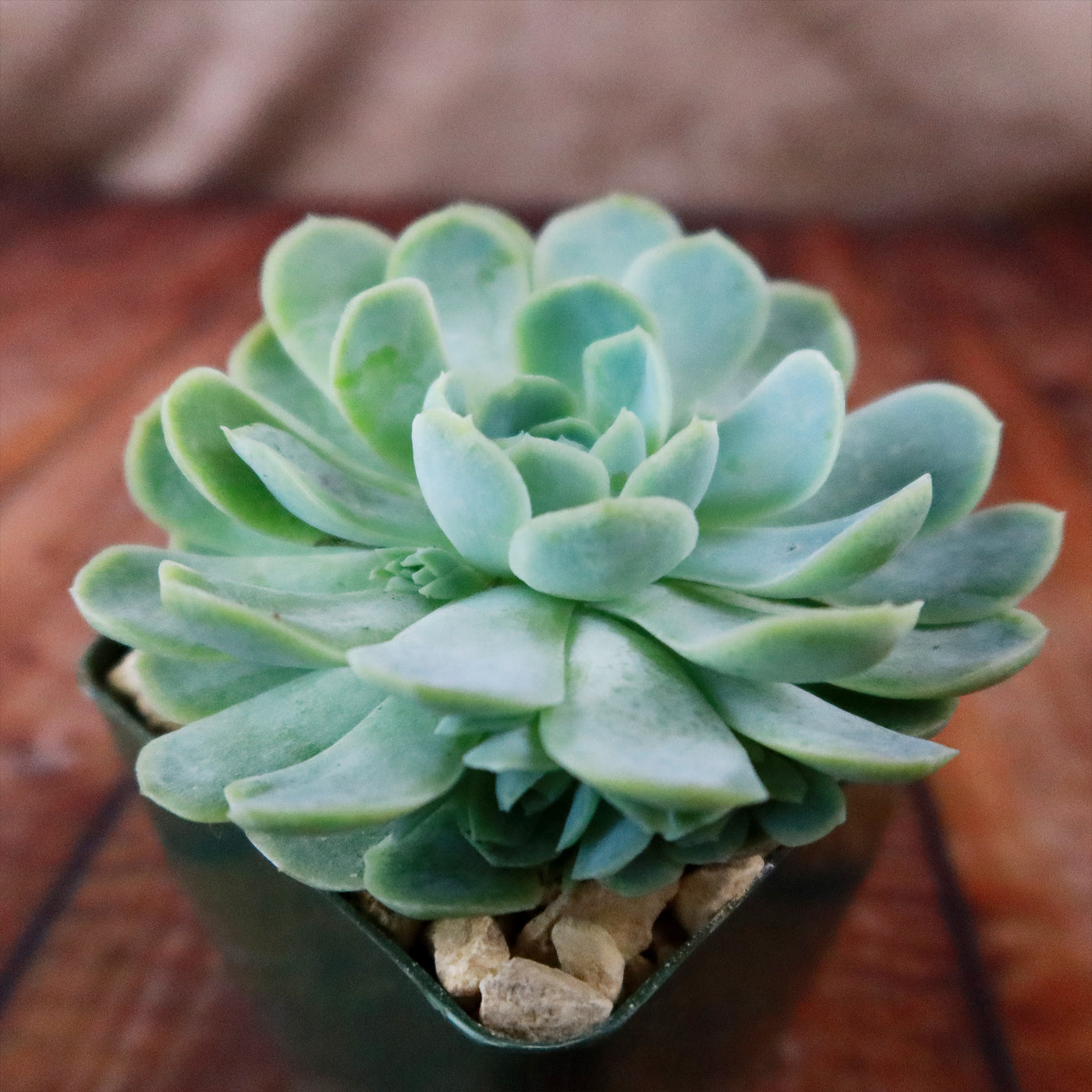
un met succulent Mexican Snowball Succulent ‘Echeveria elegans’The Echeveria elegans, known as Mexican Snowball Succulent, is a highly sought after species known for its stunning rosette shape, powdery blue green leaves, and remarkable drought tolerance. Its ability to store water in its fleshy leaves allows it to withstand extended dry periods, making it an ideal plant for low maintenance landscaping. Native to Mexico, it is commonly referred to as Mexican Gem, Hens and Chicks, or Mexican Ghost Plant, and gets
The Echeveria elegans, known as Mexican Snowball Succulent, is a highly sought-after species known for its stunning rosette shape, powdery blue-green leaves, and remarkable drought tolerance. Its ability to store water in its fleshy leaves allows it to withstand extended dry periods, making it an ideal plant for low-maintenance landscaping.
Native to Mexico, it is commonly referred to as Mexican Gem, Hens and Chicks, or Mexican Ghost Plant, and gets its name from its beautiful, compact rosettes that resemble delicate snowballs.
The name Echeveria elegans is derived from the Latin word "elegans," which means elegant or graceful. This name was given to the plant due to its attractive appearance and refined characteristics. As one of the most iconic Echeveria species, it is widely used in rock gardens, succulent arrangements, and xeriscaping due to its adaptability and minimal care requirements.
The Mexican Snowball is a relatively small succulent, with individual rosettes reaching 4 inches wide.
However, this plant spreads over time, forming dense clusters that can cover large areas of about 1 foot, when allowed to propagate naturally.
Its slow-growing nature makes it easy to manage, whether grown in containers, garden beds, or vertical planters.
One of its most defining features is its thick, spoon-shaped leaves, which are covered in a fine powdery coating called farina.
This natural wax helps protect the plant from harsh sunlight and moisture loss, giving the leaves a soft, pastel-blue appearance.
In colder weather, the leaf edges may develop a slight pinkish hue, adding to the plant’s visual appeal. The rosettes remain compact and symmetrical, making them a favorite for decorative displays and succulent arrangements.
The flowering Echeveria elegans blooms from late winter to early spring and produce tall, arching flower stalks that rise above the foliage, bearing clusters of pink to coral-colored bell-shaped flowers with bright yellow tips. These vibrant blooms not only enhance the plant’s beauty but also attract pollinators such as bees and hummingbirds, making it a great addition to a wildlife-friendly garden.
Beyond its ornamental value, Echeveria elegans is often used in wedding bouquets, living wreaths, and terrariums due to its symmetrical shape and long-lasting foliage. Its low-maintenance nature, combined with its aesthetic appeal, makes it a top choice for those looking to cultivate a beautiful yet easy-to-care-for succulent. Whether grown indoors on a sunny windowsill or outdoors in a rock garden, the Mexican Snowball Succulent remains a timeless favorite among plant enthusiasts.
When and How to Water Your Echeveria elegansEcheveria elegans is an exceptionally hard to kill succulent that requires minimal watering and is well-suited for arid landscapes, rock gardens, and container arrangements. It has thick, fleshy leaves that store water, enabling it to withstand prolonged dry periods. Overwatering is one of the most common mistakes with this plant, so ensuring the soil is completely dry before the next watering is crucial.
From the spring to early fall, during its active growing season, Echeveria elegans benefits from regular but moderate watering. It should be watered deeply when the soil is dry, roughly every 10 to 14 days, depending on the climate.
As temperatures drop and winter arrives, Echeveria elegans enters dormancy. During this period, it requires significantly less water, sometimes only once every 3 to 4 weeks. If grown outdoors, it should be protected from frost, as prolonged exposure to freezing temperatures can damage the plant.
Light Requirements – How to Water Your Mexican Snowball SucculentFor indoor growers, your Echeveria succulent requires bright, indirect sunlight to thrive.
It should be placed near a south- or east-facing window where it receives at least 6 hours of sunlight per day.
If natural light is insufficient, supplementing with a grow light will help maintain its compact rosette shape and prevent etiolation.
Good air circulation is also essential to prevent excessive moisture buildup, which can lead to fungal issues.
When grown outdoors, Echeveria elegans flourishes in full sun to partial shade. Ideally, it should receive 6 to 8 hours of direct sunlight daily.
However, in regions with intense summer heat, providing afternoon shade can help prevent sunburn on its delicate leaves.
Optimal Soil & Fertilizer NeedsEcheveria elegans thrives in well-draining soil, preferably a succulent mix that contains sand, perlite, or pumice. These components help improve aeration and prevent excess moisture retention, reducing the risk of root rot. A soil pH between 6.0 and 7.0 is ideal. Planet Desert specializes in succulents and has specialized succulent potting soil, opens in a new tab that includes an organic substrate with mycorrhizae to help with the growth of a healthy root system to help your succulents thrive.
Fertilizing is not always necessary, but a diluted, balanced liquid NPK fertilizer (such as 5-10-5) can be applied once a year in the spring during the growing season. Avoid high-nitrogen fertilizers, as they encourage leggy growth rather than compact, healthy rosettes. Fertilization should be discontinued in the winter when the plant is dormant.
Hardiness Zones & MoreWhen growing indoors, the Mexican snowball plant thrives in temperatures between 60°F and 75°F with moderate humidity. It requires bright light, preferably near a window with direct morning sunlight. Humidity levels should remain low to prevent fungal issues, making it an excellent choice for dry indoor environments.
In the United States, this is mostly an indoor plant, but if you live in southern Florida or Hawaii then you can cultivate it outdoor in USDA zones 9-11.
It prefers dry, warm climates with low humidity and should be planted in well-draining soil.
If temperatures drop below 32°F, consider bringing the plant indoors or providing frost protection to prevent damage.
Wildlife – Echeveria elegans Flowers Attracts the Following Friendly PollinatorsThe Echeveria elegans are highly attractive to pollinators, particularly bees, butterflies, and hummingbirds, thanks to their vibrant, bell-shaped flowers. These blossoms emerge from late winter to spring and provide a valuable nectar source for beneficial insects.
According to the ASPCA, these Echeveria’s are non-toxic to humans, cats, dogs, and other household pets. This makes it a safe choice for pet owners who want to keep succulents indoors without worrying about accidental ingestion harming their animals.
How to Propagate Mexican Snowball Succulent
Propagation of Echeveria elegans is straightforward and can be done through leaf cuttings, offsets, or seeds. The most common method is by separating offsets that grow around the mother plant. These should be gently removed and left to dry for a day or two before planting in dry, well-draining soil. Water sparingly until roots establish.
Leaf propagation is another effective method. A healthy leaf should be twisted off cleanly and placed on dry soil. Within a few weeks, small roots and a baby rosette will begin to form. Once established, the new plant can be transplanted into its own pot.
Key Takeaways
- Beyond its ornamental value, Echeveria elegans is often used in wedding bouquets, living wreaths, and terrariums due to its symmetrical shape and long-lasting foliage.
- Echeveria elegans is a drought-tolerant succulent that requires minimal watering.
- It is non-toxic to pets, making it a safe indoor plant.
- This succulent produces attractive pink flowers that draw in pollinators like bees and hummingbirds.
- Its slow-growing nature makes it easy to manage, whether grown in containers, garden beds, or vertical planters.
The Bottom Line
Overall, the Echeveria elegans (Mexican snowball succulent) is an excellent low-maintenance succulent that thrives in both indoor and outdoor settings. Its drought tolerance, compact rosette shape, and beautiful pink flowers make it a favorite among succulent enthusiasts. With proper care—adequate sunlight, well-draining soil, and mindful watering—this plant will flourish year after year. Whether used as ground cover, in rock gardens, or as a potted houseplant, it is a resilient and rewarding choice.
Shipping Notes
- Free Standard Shipping on $100+ Orders to the USA.
- Except Preorder products are shipped in 48 hours.
- Delivery to the USA:
- Standard Shipping : 3-10 business days
- If time is of the essence, please consider selecting expedited delivery for faster service.
Exchange/Return Notes
- We offer a 30-day return/exchange service after receiving.
- Final sale items are not eligible for returns or exchanges.
- To process your return/exchange, please contact us at [email protected]
- Please click here for more details>>> Return & Exchange Policy