Pay in installments of $7.26 with
 ,
 and

Shipping Estimate
USA
- USA
- CAN
- USA
- CAN
Ships within 48 hours · Estimated delivery Nov 15 - Nov 20
 Promo Codes Available:
For Your Every Summer RSVP, with Code: SUMMER15
Description
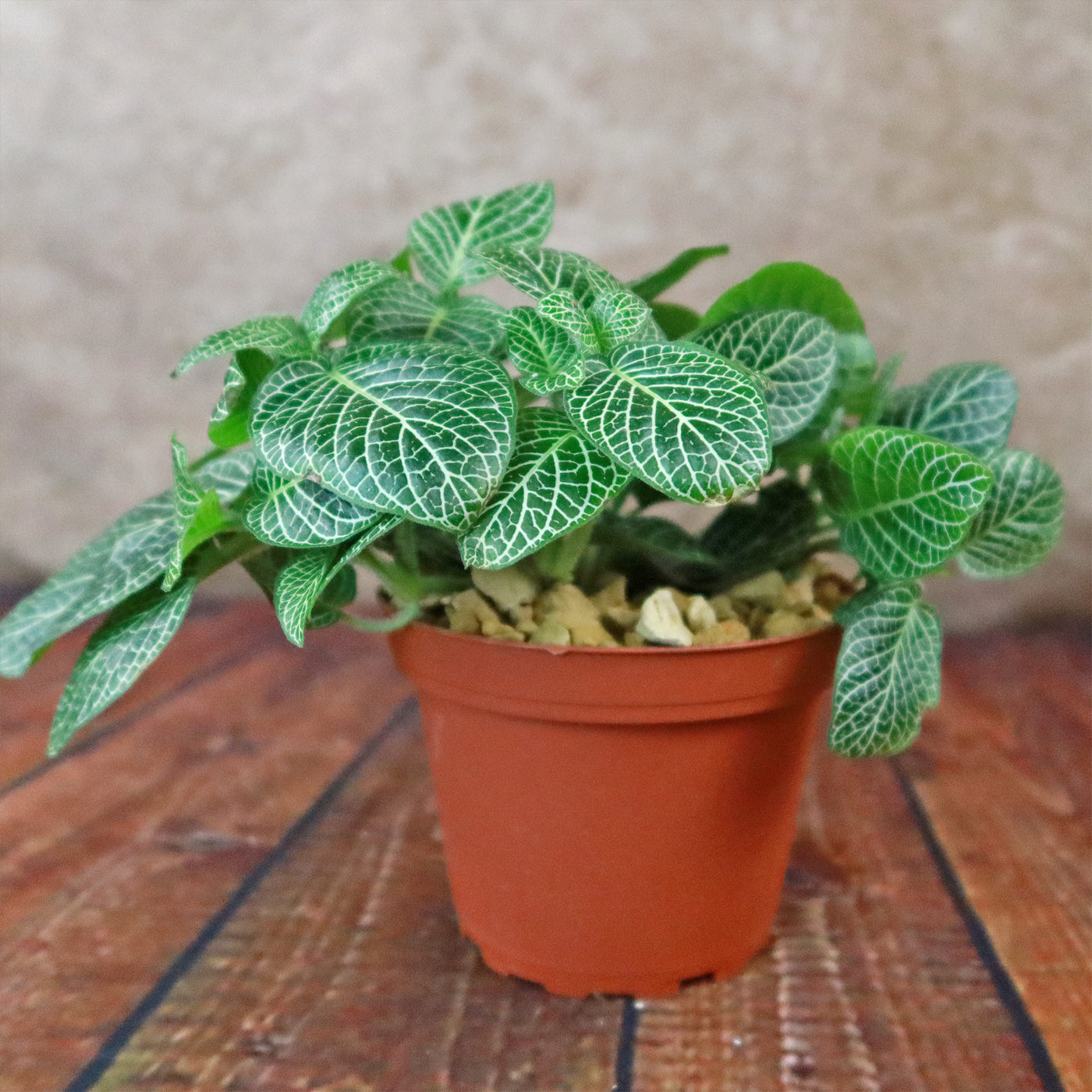
house plants with white veins Nerve PlantKey Highlights White Nerve Plant The Nerve Plant is safe for humans, cats, dogs, and other pets, making it a great choice for pet friendly homes. The White Nerve Plant features deep green leaves with intricate white veining, creating a beautiful contrast that makes it a standout among houseplants. It works great in terrariums, hanging baskets, and as a groundcover in warm, humid environments, making it a flexible addition to various plant settings. It
Key Highlights – White Nerve Plant
- The Nerve Plant is safe for humans, cats, dogs, and other pets, making it a great choice for pet-friendly homes.
- The White Nerve Plant features deep green leaves with intricate white veining, creating a beautiful contrast that makes it a standout among houseplants.
- It works great in terrariums, hanging baskets, and as a groundcover in warm, humid environments, making it a flexible addition to various plant settings.
- It requires high humidity and indirect light to flourish, making it ideal for bathrooms, kitchens, and enclosed terrariums where moisture is retained.
The Nerve Plant, known as Fittonia ‘White Anne’, is an evergreen perennial plant admired for its intricate, vein-like patterns that run across its vibrant green foliage. This compact and low-growing species is often used as creeping ground cover in tropical garden or as an accent plant in decorative containers or terrariums alike.
Its trailing habit makes it an excellent choice for hanging baskets or as a filler plant in mixed arrangements. Since this Fittonia hanging plant thrives in humid conditions, it is often found in enclosed environments like terrariums, bathrooms, and greenhouses, where moisture levels are consistently high.
Native to the tropical rainforests of South America particularly Peru and Colombia, it remains relatively small, typically grow up to 8 inches tall with a spread of up to 18 inches wide.
The oval-shaped leaves of your nerve plants are soft and slightly wrinkled, showcasing bold bright white veins that contrast beautifully against the dark green leaf surface.
The color variations depend on the cultivar, with some varieties displaying pink nerve plant product, or even red nerve plant product veins.
Due to the delicate creeping stems, the nerve plant requires consistent moisture and indirect light to maintain its vibrant coloration.
The White Nerve plant’s flowers are typically small, inconspicuous, appearing as pale yellow to white spikes that emerge from the leaf nodes in the summer.
However, flowering is rare in indoor conditions, as the plant prefers high humidity and optimal tropical conditions to encourage blooming.
Beyond its aesthetic appeal, most nerve plants, such as Fittonia albivenis, play a functional role in improving indoor air quality by filtering toxins.
When and How to Water Your Nerve Plant
A unique feature of the Nerve Plant is its dramatic response to underwatering. When deprived of moisture, this evergreen perennial wilts dramatically, appearing as if it is near death. However, with proper watering, it quickly revives, making it one of the most visually expressive houseplants.
To water your nerve plant, check the soil by inserting your finger about an inch deep—if it feels dry, it’s time to water. Although Fittonia is a popular indoor plant, once established, it can tolerate drought conditions.
During spring and summer, when it’s actively growing, keep the nerve plant’s soil evenly moist but not soggy to prevent root rot. Maintaining soil moist conditions is especially important when propagating nerve plants by cuttings to ensure successful rooting. Watering 2-3 times per week is generally sufficient, but in humid indoor environments, it may require less frequent watering since the moisture in the air helps keep it hydrated. Using filtered or room-temperature water is ideal to prevent stress on the plant.
In fall and winter, during the dormant season, its growth slows, and it requires less frequent watering. Watering once every 1-2 weeks, or whenever the top two inches of soil feels dry, is recommended. Overwatering during dormancy can lead to root issues, so reducing frequency while maintaining some soil moisture is essential.
Light Requirements – Where to Place Your Fittonia White
For indoors growing houseplants, place your nerve plant in bright, indirect light. It thrives with 6–8 hours of filtered sunlight or artificial grow lights.
Direct midday sun can scorch its delicate leaves, while too little light will result in leggy growth and faded leaf patterns of your dark green foliage.
A north or east-facing window is ideal or place it a few feet away from a bright south or west-facing window with sheer curtains.
When planting nerve plants outdoors, they partial to full shade and should be placed in an area that receives dappled sunlight for 4–6 hours a day.
If grown in a garden, keep it under trees, shrubs, or covered patios where harsh afternoon sun is blocked. In too much shade, your nerve plant may lose its vibrant colors, while direct sun exposure can cause leaf scorch and dehydration.
Optimal Soil & Fertilizer Needs
Fittonia nerve plants thrives in light, well-draining soil with high organic content. A mix of peat moss, perlite, and potting soil provides the ideal structure to retain moisture while preventing compaction. Maintaining the nerve plant's soil is crucial for its health, including proper watering practices, humidity control, and fertilization. A pH level between 6.0 and 7.0 is ideal for healthy growth. Ideally, you want to use our specialized potting mix, opens in a new tab that contains 5 natural substrates and organic mycorrhizae to promote the development of a strong root system that helps your white Fittonia to thrive.
Fertilize during the growing season using a balanced, water-soluble NPK fertilizer with a ratio of 5-10-5, once a year in the spring. Dilute the fertilizer to half-strength to prevent overfeeding, which can cause leaf burn. Avoid fertilizing during the winter months, as the plant enters a dormant phase with slower growth.
Hardiness Zones & More
When growing indoors as a houseplant, it requires stable temperatures between 65–80°F. It prefers high humidity levels above 50%, making it an excellent plant for terrariums and bathrooms. Keep it away from drafts, air conditioners, and heating vents, which can dry out the foliage.
In the United States, this is mostly an indoor plant, but if you live in southern Florida or Hawaii then you can cultivate it outdoors in USDA zones 11-12, where temperatures stay warm year-round.
In high-humidity environments, Nerve Plants flourish under filtered light.
If exposed to extreme heat, the leaves may become slightly paler, while cold temperatures might slow growth significantly.
For those outside these zones, it’s best to grow them as indoor plants or bring them inside when temperatures drop below 50°F.
Wildlife – White Nerve Plant Flowers Attracts the Following Friendly Pollinators
The nerve plant flowers attract a variety of friendly pollinators, including bees, butterflies, and hummingbirds. These pollinators play a crucial role in the reproduction of the plant and help to maintain biodiversity in the ecosystem.
According to the ASPCA, Fittonia albivenis is non-toxic to humans, cats, dogs, and birds, making it a safe houseplant for pet owners. This plant, also known as nerve plant, thrives in humid environments and is a great option for adding a pop of color to any room.
How to Propagate Your Fittonia Nerve Plant
You can easily do nerve plant propagation by taking stem cuttings. Make sure the cutting has at least two nodes and remove any leaves from the bottom half of the cutting before placing it in water or soil to root. Keep the cutting in a warm, humid environment with indirect sunlight until roots begin to form, then transplant into a well-draining potting mix. Water regularly and provide adequate humidity to help the new plant thrive.
Pruning Nerve Plants
Pruning is an essential aspect of nerve plant care, helping to maintain its shape and encourage bushy growth. Use clean scissors or pruning shears to trim back long stems and remove any dead or damaged leaves. Pinching off the tips of the stems will also help control the plant’s height and promote branching. Regular pruning not only keeps your nerve plant looking its best but also encourages healthy, vigorous growth. By incorporating pruning into your care routine, you can ensure your nerve plant remains a vibrant and attractive addition to your indoor garden.
The Bottom Line
Overall, the Nerve Plant (Fittonia White Anne) is a visually tropical houseplant known for its vibrant, veined leaves, and compact growth. Its stunning foliage and expressive nature make it a rewarding plant for both beginners and experienced plant lovers alike. Its non-toxic nature makes it a pet-friendly choice, and propagation is simple for those looking to expand their collection. With the right care—consistent moisture, bright light, and high humidity—it can thrive and remain an eye-catching feature in any dish garden or as a container plant. Order your very own Fittonia nerve plant for sale today!
Shipping Notes
- Free Standard Shipping on $100+ Orders to the USA.
- Except Preorder products are shipped in 48 hours.
- Delivery to the USA:
- Standard Shipping : 3-10 business days
- If time is of the essence, please consider selecting expedited delivery for faster service.
Exchange/Return Notes
- We offer a 30-day return/exchange service after receiving.
- Final sale items are not eligible for returns or exchanges.
- To process your return/exchange, please contact us at [email protected]
- Please click here for more details>>> Return & Exchange Policy