Pay in installments of $6.13 with
 ,
 and

Shipping Estimate
USA
- USA
- CAN
- USA
- CAN
Ships within 48 hours · Estimated delivery Nov 1 - Nov 6
 Promo Codes Available:
For Your Every Summer RSVP, with Code: SUMMER15
Description
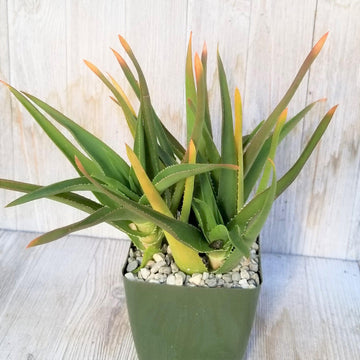
climbing aloe succulent Climbing Aloe – Aloe ciliarisIntroducing the climbing aloe, known as Aloiampelos ciliaris (formerly known as Aloe ciliaris), which is a fascinating succulent plant belonging to the Aloe, opens in a new tab genus. Native to the arid regions of Southern Africa, it has several common names, including the hot poker aloe, and most commonly the red hot poker aloe. Unlike most aloe species that grow in a rosette form, this aloe species produces cylindrical tall stems that can grow up to
Introducing the climbing aloe, known as Aloiampelos ciliaris (formerly known as Aloe ciliaris), which is a fascinating succulent plant belonging to the Aloe, opens in a new tab genus. Native to the arid regions of Southern Africa, it has several common names, including the hot poker aloe, and most commonly the red-hot poker aloe.
Unlike most aloe species that grow in a rosette form, this aloe species produces cylindrical tall stems that can grow up to anywhere from 6 to 30 feet tall.
These stems use small, hair-like teeth called cilia to attach themselves to rocks, trees, or other supports, allowing the plant to climb and spread to create a stunning vertical display.
The leaves of the climbing aloe are arranged in a spiral pattern along the stems and are narrow, elongated, and slightly curved.
They have a beautiful blue-green color with reddish-orange margins, adding a vibrant touch to any garden or indoor space.
The plant is suitable for planting along sunny fences or trellises, although it has fleshy leaves and straggly stems.
In terms of flowering, your climbing aloe produces striking tubular orange-red flowers. These flowers appear in clusters at the top of the stems during the spring, attracting pollinators such as birds and bees. The flowers add a burst of color to the plant and create a visually stunning contrast against the green foliage.
When it comes to propagation, climbing aloe can be propagated through both seeds and offsets. Seeds can be collected from the dried flower stalks and sown in well-draining soil. Offsets, also known as pups, can be separated from the parent plant and replanted to establish new individuals.
With proper Aloe ciliaris care and suitable conditions, it can grow and thrive in various environments.
Watering Needs
Like most succulents, this plant is adapted to survive in arid conditions, so it has a preference for infrequent watering. It's critical to let the soil dry out in between waterings because overwatering can cause root rot and other problems.
In the spring and summer, during the active growing season, you can water your climbing Aloe about once every two to three weeks. However, it's crucial to adjust the watering frequency based on the environmental conditions and the moisture level of the soil. Always check the top few inches of soil before watering to ensure it has dried out completely.
In the fall and winter, during the dormant period, your climbing Aloe requires even less water. Reduce the frequency of watering to about once a month or even less, as the plant's growth slows down during this time. Remember that succulents prefer to be underwater rather than overwater, as they are more tolerant of drought than excess moisture.
When watering your Aloe ciliaris, make sure to water the soil directly rather than spraying the leaves. This helps prevent excess moisture on the foliage, which can lead to rot or fungal diseases. Use a well-draining soil mix specifically formulated for succulents to ensure proper water drainage.
Light Requirements
When it comes to indoor lighting, Aloe ciliaris thrives in bright, indirect light. Place your plant near a window where it can receive plenty of bright, filtered sunlight throughout the day. East or west-facing windows are usually ideal, as they provide the right balance of light intensity. If you don't have access to natural sunlight, you can also use fluorescent grow lights placed about 6-12 inches away from the plant to provide adequate light.
When growing outdoors, your climbing Aloe is a sun-loving plant and does best in full sun to partial shade. So, choose a location that gets at least 6 hours of direct sunlight per day.
However, it's important to acclimate your plant gradually to direct sunlight if it has been indoors or in a shaded area. Start by placing it in a spot with partial sun for a few hours a day, then gradually increase the exposure to full sun over a couple of weeks.
Remember, when it comes to light, it's crucial to find the right balance. Too much direct sunlight can cause sunburn and damage the leaves, while too little light can lead to leggy growth and a lack of flowering. Observing your plant's response to light and making adjustments accordingly will help ensure its healthy growth and blooms.
So, whether you're keeping your climbing aloe indoors or planted outdoors, providing it with the right amount of bright, indirect light or direct sunlight will help it thrive and show off its beautiful foliage and flowers.
Optimal Soil & Fertilizer Needs
When it comes to soil, this climbing aloe grows best in a well-draining potting soil that mimics its natural habitat. You can create a suitable soil blend by combining equal parts of cactus potting mix, perlite, and coarse sand. This mixture allows for proper drainage, preventing the roots from sitting in water and potentially rotting. Instead, make or buy a well-draining potting mix, or ideally use our specialized succulent potting mix, opens in a new tab that contains 5 natural substrates and mycorrhizae to promote the development of a strong root system that helps your succulent to thrive.
Aloe ciliaris is not a heavy feeder, so it doesn't require frequent fertilization. In the spring, during the active growing season, you can fertilize your climbing Aloe once a year with a balanced (5-10-5), water-soluble NPK fertilizer diluted to half the recommended strength. This will provide the necessary nutrients without overwhelming the plant. Be sure to follow the instructions on the fertilizer packaging for proper dilution and application.
It's important to note that during the winter months, Aloe ciliaris goes through a period of dormancy, and its growth slows down. During this time, it's best to withhold fertilizer and allow the plant to rest.
Hardiness Zones & More
When growing indoors, the climbing aloe thrives in average room temperatures ranging from 60 to 80 degrees Fahrenheit. It's important to keep the plant away from drafts and extreme temperature fluctuations, as they can stress the plant. As for humidity, Aloe ciliaris is adaptable and can tolerate average indoor humidity levels. To enhance home air humidity, place a water-filled tray near a plant or use a humidifier to increase the humidity in the air.
For outdoor cultivation, Aloe ciliaris is native to South Africa and is well-suited in USDA hardiness zones 9 to 11, which generally have mild winters and hot summers. In these zones, the plant can be grown outdoors year-round. It can tolerate temperatures as low as 25 degrees Fahrenheit but may require protection from frost and freezing temperatures. During cold weather, it's best to bring the plant indoors or provide frost protection, such as covering it with a blanket or moving it to a sheltered area.
When it comes to humidity, outdoors, climbing aloe prefers low to moderate humidity levels. It can tolerate dry conditions and is well-adapted to arid environments. However, it's important to note that excessive humidity can increase the risk of fungal diseases. Therefore, it's best to avoid high humidity and ensure proper air circulation around the plant.
Final Thoughts
Overall, the climbing aloe (Aloe ciliaris) is a unique and visually stunning succulent plant. It has slender stems that can climb and attach themselves to supports, creating a beautiful vertical display. The leaves are narrow and blue-green with reddish-orange margins, and they produce vibrant orange or red tubular flowers. To care for Aloe ciliaris, make sure it gets plenty of sunlight, well-draining soil, and water sparingly, allowing the soil to dry out between waterings. It's a low-maintenance plant that can add a touch of beauty to any garden or indoor space.
Give it a try, and enjoy the beauty and intrigue this unique Climbing Aloe ciliaris brings to your home or garden!
Shipping Notes
- Free Standard Shipping on $100+ Orders to the USA.
- Except Preorder products are shipped in 48 hours.
- Delivery to the USA:
- Standard Shipping : 3-10 business days
- If time is of the essence, please consider selecting expedited delivery for faster service.
Exchange/Return Notes
- We offer a 30-day return/exchange service after receiving.
- Final sale items are not eligible for returns or exchanges.
- To process your return/exchange, please contact us at [email protected]
- Please click here for more details>>> Return & Exchange Policy