Pay in installments of $6.63 with
 ,
 and

Shipping Estimate
USA
- USA
- CAN
- USA
- CAN
Ships within 48 hours · Estimated delivery Nov 2 - Nov 7
 Promo Codes Available:
For Your Every Summer RSVP, with Code: SUMMER15
Description
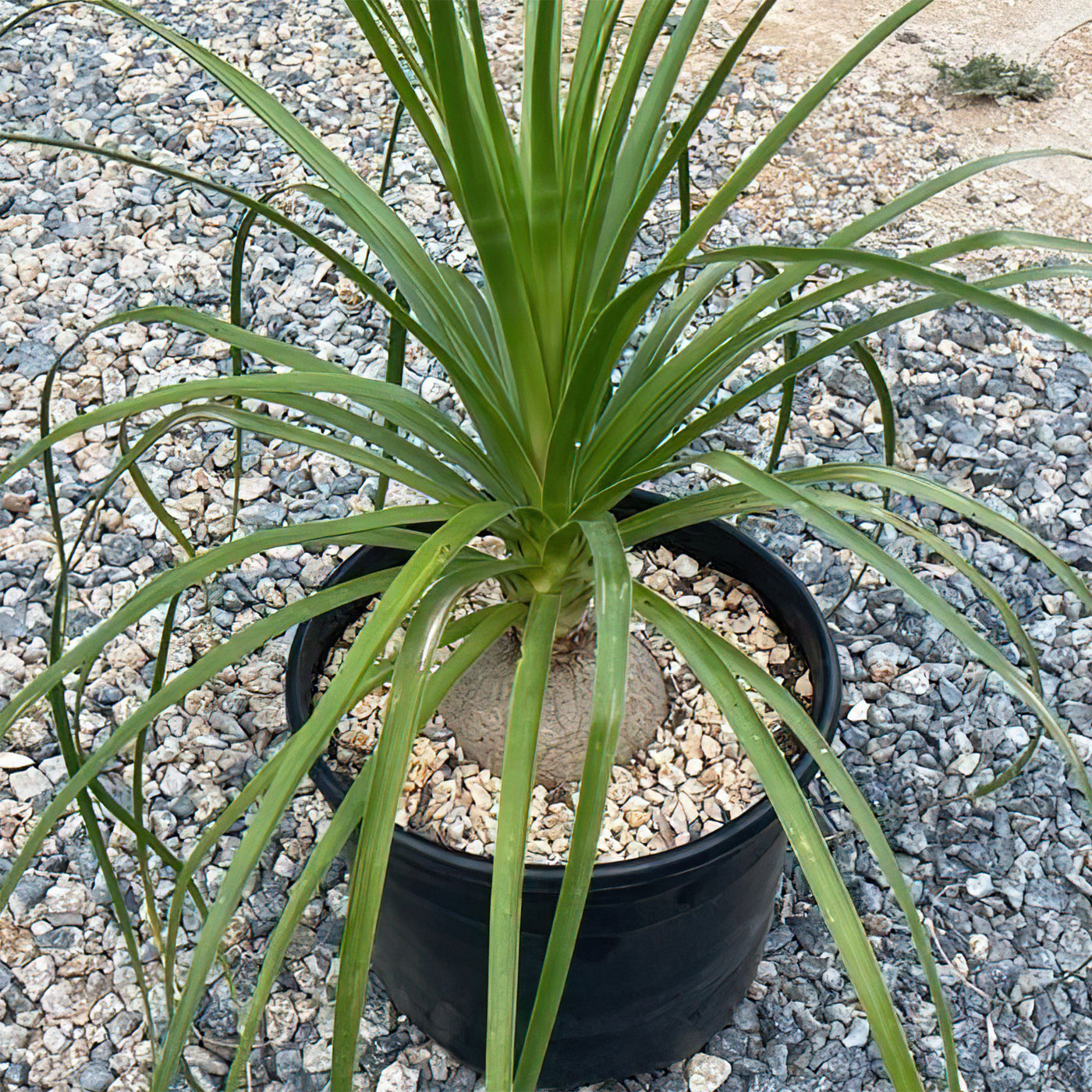
ponytail palm recurvata Shop 'Ponytail palm - Beaucarnea recurvata' Care and InfoIntroducing the ponytail palm, known as Beaucarnea recurvata. Native to Southern Brazil, the ponytail palm is also known as the "elephant's foot palm or elephant foot tree" because of its enlarged lower trunk, which resembles an elephant's foot. Within the agave family, the ponytail palm is a distinct plant that, despite its name, is not a true palm. Its cascading, strap like leaves resemble a ponytail, adding to its unique and elegant appearance.
Introducing the ponytail palm, known as Beaucarnea recurvata. Native to Southern Brazil, the ponytail palm is also known as the "elephant's foot palm or elephant foot tree" because of its enlarged lower trunk, which resembles an elephant's foot.
Within the agave family, the ponytail palm is a distinct plant that, despite its name, is not a true palm. Its cascading, strap-like leaves resemble a ponytail, adding to its unique and elegant appearance. This misconception often arises because its bulbous trunk and graceful foliage evoke the look of a palm tree. Ponytail palms are actually succulents, despite popular belief. Whether it's a succulent or a true palm itself, it adds a touch of tropical flair and botanical fascination to every area of your home.
This stunning ponytail palm succulent boasts unique features, such as long, slender leaves that cascade gracefully from its bulbous trunk.
Ponytail palms grown in gardens as landscape plants typically grow no taller than 11 feet, while indoors, they rarely exceed 4 feet in height.
The Ponytail Palm is a popular houseplant with a distinctive appearance and a thick, bloated brown stem that stores water at its thick, swollen stem and trunk base, often called a bulb or caudex.
The flowers of the ponytail palm rarely bloom when grown as a houseplant. When it blooms in late winter to early spring, it has small, nocturnal, pure white flowers that appear on long stalks that emerge from the center of your ponytail palm succulent.
The ponytail palm is a slow-growing plant with an impressive lifespan, reportedly living up to 150–200 years. Its longevity and ease of care make it a popular choice for indoor plants, offering beauty and companionship that can last for generations.
The ponytail palm Beaucarnea recurvata, is more closely related to desert plants in the Agave and Yucca genera.
When and How to Water Your Ponytail Palm
Like succulents, the ponytail palm is drought-tolerant with its fleshy, water-storing stems that can hold a lot of water. However, their root structure is easily susceptible to overwatering, so make sure that you don't overwater, as it can lead to root rot and fungal infections.
In the spring and summer, during the growing season, the ponytail palm prefers regular watering. You'll want to keep the soil evenly moist but not soggy. Allow the top few inches of soil to dry out between waterings to prevent overwatering, which can lead to root rot.
In fall and winter, during the dormant period, to reduce the frequency of watering. The Beaucarnea recurvata growth slows down, so it won't require as much water. In spite of the right watering frequency of about 2–3 weeks, ponytail palm Beaucarnea recurvata roots can be damaged if the soil is not fast-draining.
If you need to pot up a new ponytail palm, choose a container with enough drainage holes. Allow the soil to dry out more between waterings, but don't let it completely dry out. Aim for a balance where the soil is slightly moist but not overly wet.
Light Requirements - Where to Place Your Ponytail Palm
When growing Ponytail palm indoors, it thrives in bright, indirect light but can also tolerate lower light levels. Placing it near a sunny window or in a well-lit room is ideal. However, be cautious of exposing your ponytail palm to direct, intense sunlight, as it may scorch the leaves. If they don't receive enough bright light, their stems may grow leggy, become paler, and develop curly leaves. So make your ponytail palm happy and give it plenty of light.
If you are growing your ponytail palm outdoors, it can withstand full sun, but it prefers to grow in areas with some partial shade and avoid prolonged direct sunlight.
Learn to adjust your ponytail palm plant to avoid burns if the location where you have Beaucarnea recurvata is exposed to too much direct sunlight. Gradually increase the exposure until it can handle the full sun.
It's critical to remember that during a heatwave or periods of extreme heat, your Beaucarnea recurvata ponytail palm could still sustain sun damage or get sunburned. In this situation, you can protect your ponytail palm by moving it indoors or to a shaded area.
Optimal Soil & Fertilizer Needs
When it comes to choosing the right soil for your adorable ponytail palm, you need to be careful. You see, the amount of moisture in the soil can literally make or break your little green friend. You've got root and stem rot faster than you can say "cactus." That's why we at Planet Desert have got your back with our Soil cactus mix blend 1 gal 4 qt cacti succulent dirt compost growing media. This organic mycorrhiza helps grow a healthy root system that makes all those thick, swollen stems stand tall and proud. As an okay alternative, you can create your own succulent mix by combining equal portions of perlite, coarse sand, and good natural potting soil.
Ideally, you should look for a natural fertilizer with an approximate blend of 5-10-15 that is higher in phosphorus than nitrogen. The best choice is to use natural fertilizer, as ponytail palm Beaucarnea recurvata lasts longer and keeps your soil alive by adding other beneficial compounds and microbes that encourage ponytail palm health and nutrient absorption.
Hardiness Zones & More
When it comes to indoor care, this Beaucarnea recurvata ponytail palm prefers average room temperatures between 65 and 75°F, making it suitable for most indoor settings. It can tolerate slightly cooler temperatures, but it's best to avoid extreme cold drafts or sudden temperature fluctuations.
The ponytail palm Beaucarnea recurvata can tolerate average indoor humidity levels, but it appreciates a bit of dry air from time to time. Misting the leaves occasionally or placing the pot on a tray filled with pebbles and water can help create a slightly more humid microclimate around the ponytail palms.
If you are living in USDA zones 9–11, you can grow your ponytail palm outdoors year-round. It thrives in warm climates and can tolerate full sun to partial shade outdoors.
In terms of temperature, it can withstand temperatures as low as 30°F for short periods, but it's generally recommended to protect it from frost and freezing temperatures.
It can tolerate low humidity levels, making it a great choice for outdoor landscapes in drier regions. However, it's important to note that excessive humidity or prolonged exposure to high humidity can lead to fungal issues or root rot.
Remember, the ponytail palms, as slow-growing species, can't stand frost or too much humidity; therefore, they need warm, dry conditions. A balanced ponytail palm care will help you maintain temperatures and prevent too much moisture.
Wildlife - Ponytail Palm Attracts the Following Friendly Pollinators
The Ponytail Palm has small, fragrant flowers that can attract pollinators such as bees, butterflies, or hummingbirds. While it’s primarily grown as an ornamental indoor plant, providing outdoor exposure during flowering can support local pollinator populations and enhance the plant’s natural beauty.
According to the ASPCA, the Ponytail Palm is non-toxic to humans, cats, dogs, and other common household pets. Its pet-friendly nature makes it an excellent choice for homes with animals, as it poses no significant health risk if leaves are chewed or ingested.
How to Propagate Your Ponytail Palm
The ponytail palm can be propagated through seeds or by offshoots that develop around the base of the ponytail palm plant. This method allows for quicker growth and ensures that the new plant retains the same characteristics as the parent plant. Repotting Ponytail palms is best done in the spring when the plant is actively growing. Be sure to use a well-draining potting mix to prevent root rot.
Key Takeaways
- The Ponytail Palm features a large, bulbous base known as a caudex, which stores water, making it highly efficient in surviving extended periods of drought.
- This plant is exceptionally low-maintenance and thrives in dry conditions, requiring infrequent watering and minimal care, making it perfect for busy individuals.
- Its long, narrow, and arching leaves cascade from the top of the trunk, resembling a ponytail, giving the plant its signature look and adding elegance to any space.
- The Ponytail Palm is a slow-growing plant, making it ideal for indoor settings, as it maintains its compact size for years with proper care.
- The Ponytail Palm is a slow-growing plant, making it ideal for indoor settings, as it maintains its compact size for years with proper care. (duplicate)
Final Thoughts
Overall, the Ponytail Palm (Beaucarnea recurvata) is a versatile and low-maintenance plant that can be a wonderful addition to both indoor and outdoor spaces. With its unique appearance and ability to adapt to different light conditions, it can brighten up any room or garden. Indoors, it prefers bright, indirect light and average room temperatures. Outdoors, it thrives in warm climates and can tolerate full sun to partial shade. Don't miss out on this opportunity to add something truly exceptional to your garden. Order your very own Beaucarnea recurvata, or ponytail palm, today!
Shipping Notes
- Free Standard Shipping on $100+ Orders to the USA.
- Except Preorder products are shipped in 48 hours.
- Delivery to the USA:
- Standard Shipping : 3-10 business days
- If time is of the essence, please consider selecting expedited delivery for faster service.
Exchange/Return Notes
- We offer a 30-day return/exchange service after receiving.
- Final sale items are not eligible for returns or exchanges.
- To process your return/exchange, please contact us at [email protected]
- Please click here for more details>>> Return & Exchange Policy