Pay in installments of $7.48 with
 ,
 and

Shipping Estimate
USA
- USA
- CAN
- USA
- CAN
Ships within 48 hours · Estimated delivery Nov 1 - Nov 6
 Promo Codes Available:
For Your Every Summer RSVP, with Code: SUMMER15
Description
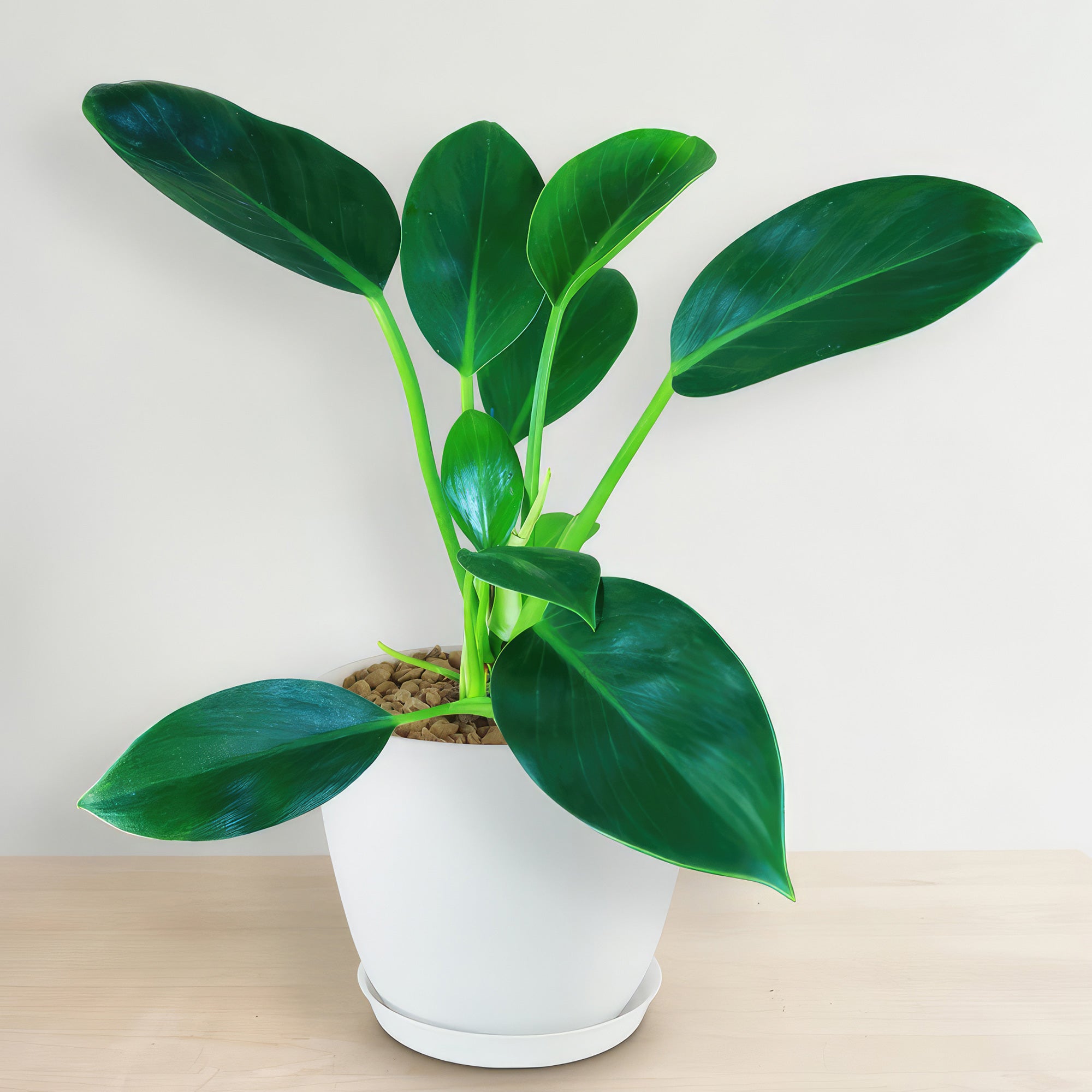
part of a philodendron plant ‘Green Princess’ Philodendron 6" Pot / Self Watering / Without PotKey Highlights Philodendron Green Princess The Philodendron Green Princess is known for its glossy, deep green leaves, which add a vibrant and tropical feel to any indoor space. Its compact, bushy growth makes it perfect for desks, shelves, or small corners. The thick, waxy leaves store moisture, allowing the plant to withstand short periods of drought. This makes it a low maintenance choice for those who may occasionally forget to water. It helps to
Key Highlights - Philodendron ‘Green Princess’
- The Philodendron Green Princess is known for its glossy, deep-green leaves, which add a vibrant and tropical feel to any indoor space. Its compact, bushy growth makes it perfect for desks, shelves, or small corners.
- The thick, waxy leaves store moisture, allowing the plant to withstand short periods of drought. This makes it a low-maintenance choice for those who may occasionally forget to water.
- It helps to remove toxins such as formaldehyde, thereby improving indoor air quality.
- Unlike many philodendrons that trail or climb, ‘Green Princess’ grows in a compact, upright shape, making it ideal for small spaces without the need for support or pruning.
The Philodendron ‘Green Princess’ is a stunning, and beloved evergreen-perennial known for its glossy, deep-green foliage and easy-care nature. This tropical plant is an excellent choice for both beginners and experienced plant enthusiasts due to its adaptability and resilience. Unlike vining philodendrons, ‘Green Princess’ has a more upright, bushy growth habit, making it ideal for indoor spaces where a structured, lush appearance is desired.
Like most philodendrons, ‘Green Princess’ originates from the tropical rainforests of Central and South America. Due to its popularity as a houseplant, it is now widely cultivated in greenhouses and nurseries worldwide.
One of the most striking features of the ‘Green Princess’ Philodendron is its lush, deep-green foliage.
The leaves are smooth, slightly elongated, and have a glossy finish, which enhances their vibrant appearance.
Unlike climbing philodendrons, this variety remains compact and bushy, making it perfect for tabletops, shelves, and small indoor spaces.
The plant is also known for being low-maintenance, tolerating lower light conditions, and requiring minimal care compared to other tropical houseplants.
When grown indoors, this ‘Green Princess’ plant typically grows up to 10 inches tall and spreads about 10 inches wide.
Its slow-growing nature makes it easy to manage, and with occasional pruning, it can maintain a tidy, bushy form. While it can grow larger under optimal conditions, it remains significantly smaller than climbing philodendron varieties.
The flowers of Green Princess Philodendron bloom in spring and summer. The flowers have white petal-like structures called spathes, with a green center (spadix). While this plant is mainly grown for its leaves, these rare flowers can add a nice touch of color to your home.
The Philodendron Green Princess is a compact and versatile plant, making it perfect for small spaces and a variety of indoor settings. This natural air purifier helps trap dust and improve air quality, while also requiring minimal care, making it ideal for beginners. With its mood-boosting greens, the Philodendron Green Princess adds vitality and a soothing presence to your home, creating a welcoming and refreshing atmosphere.
When and How to Water Your Philodendron Green Princess
Philodendron ‘Green Princess’ is a drought-tolerant plant that can withstand periods of dryness, making it an excellent choice for plant owners who may occasionally forget to water. The plant’s thick, glossy leaves help retain moisture, allowing it to survive short dry spells. To ensure proper hydration, always check the soil’s moisture level before watering—water only when the top 1-2 inches of soil feel dry.
In the spring and summer, during the active growing season, the ‘Green Princess’ Philodendron requires more frequent watering to support its lush foliage and steady growth. Typically, watering once every 7 to 10 days is sufficient, but this may vary based on climate and indoor conditions. If grown outdoors, more frequent watering may be necessary during extreme heat. To promote even growth, use lukewarm water and ensure proper drainage.
In the fall and winter months, the plant enters a semi-dormant stage, requiring significantly less water. Reduce watering frequency to once every 2 to 3 weeks, allowing the soil to dry out more between waterings. Lower temperatures and reduced light exposure slow down growth, minimizing the plant’s water needs. However, ensure the air is not too dry by maintaining adequate humidity.
Light Requirements – Where to Place Your Green Princess Philodendron
When growing indoors as a houseplant, this philodendron thrives in bright, indirect light.
Place it near a north or east-facing window where it receives gentle morning sunlight without direct exposure to harsh afternoon rays.
If natural light is insufficient, supplement with a grow light for at least 10-12 hours daily to maintain healthy growth.
Avoid placing it in direct sunlight, as excessive light can scorch the leaves.
For outdoor cultivation, it should be placed in a shaded or partially shaded area, as direct sunlight can cause leaf burns.
Ideally, it should receive 3-5 hours of morning sunlight followed by dappled shade throughout the day. In warm climates, growing it under a tree canopy or a covered patio ensures it receives the right balance of light without stress from intense sun exposure. Whether indoors or outdoors, rotate the plant occasionally to ensure even light distribution and balanced growth.
Optimal Soil and Fertilizer Needs
Philodendron ‘Green Princess’ thrives in a well-draining, nutrient-rich soil mix. Your soil must have a sandy texture and a low water-holding capacity, just like desert soil. Soggy wet soil can damage your green princess Philodendron and contribute to bacterial and fungal rot. Ideally, you want to use our specialized potting mix, opens in a new tab that contains 5 natural substrates and organic mycorrhizae to promote the development of a strong root system that helps your Philodendron to thrive.
For best results, fertilize the plant once a year in the spring using a balanced liquid NPK fertilizer with a ratio of 5-10-5. This promotes lush foliage and steady growth. Avoid over-fertilization, as excessive nutrients can lead to salt buildup and damage the roots.
Hardiness Zones & More
When growing indoors as a houseplant, Philodendron ‘Green Princess’ thrives in temperatures between 65-80°F with humidity levels above 50%. Keeping it in a humid environment, such as a bathroom or kitchen, is ideal. If the air is too dry, use a humidifier or pebble tray to maintain moisture levels. Additionally, ensure the plant receives adequate indirect light for at least 10-12 hours daily.
In the United States, this is mostly an indoor plant, but if you live in southern Florida or Hawaii then you can cultivate it outdoors in USDA zones 9-11.
It can tolerate temperatures down to 50°F but should be protected from cold drafts and frost.
If grown in a container, bring it indoors when temperatures drop.
It thrives in moderate to high humidity and should be placed in a shaded area with 3-5 hours of morning sunlight.
Wildlife - Philodendron Attracts the Following Friendly Pollinators
Philodendron ‘Green Princess’ produces unique flowers that can attract pollinators such as beetles, flies, and other small insects. Although it is primarily grown for its foliage, its infrequent blooms add an extra dimension to its appeal.
According to the ASPCA, Philodendron ‘Green Princess’ is mildly toxic to humans and pets due to the presence of calcium oxalate crystals, which can cause irritation if ingested in a large amount. However, it is safe to touch and handle, making it a popular choice for indoor houseplants.
How to Propagate Your Philodendron Green Princess
You can propagate your plant through stem cuttings. Choose a healthy stem with at least two nodes and cut it with sterile pruning shears. Allow the cutting to dry for a few hours before placing it in water or moist soil. If you propagate in water, change the water every 3-5 days to prevent bacterial growth. Roots should develop within 2-4 weeks, after which the cutting can be transferred to soil.
The Bottom Line
Overall, the Philodendron ‘Green Princess’ is a beautiful, low-maintenance houseplant that brings a touch of tropical elegance to any indoor space. Its lush, glossy foliage, compact growth, and resilience make it a favorite among plant lovers. Whether placed on a shelf, desk, or in a decorative pot, this philodendron adds a refreshing green presence with minimal effort. With the right care—moderate watering, indirect light, and occasional pruning—it will remain a vibrant and attractive feature in any home or office.
Shipping Notes
- Free Standard Shipping on $100+ Orders to the USA.
- Except Preorder products are shipped in 48 hours.
- Delivery to the USA:
- Standard Shipping : 3-10 business days
- If time is of the essence, please consider selecting expedited delivery for faster service.
Exchange/Return Notes
- We offer a 30-day return/exchange service after receiving.
- Final sale items are not eligible for returns or exchanges.
- To process your return/exchange, please contact us at [email protected]
- Please click here for more details>>> Return & Exchange Policy