Pay in installments of $6.64 with
 ,
 and

Shipping Estimate
USA
- USA
- CAN
- USA
- CAN
Ships within 48 hours · Estimated delivery Nov 4 - Nov 9
 Promo Codes Available:
For Your Every Summer RSVP, with Code: SUMMER15
Description
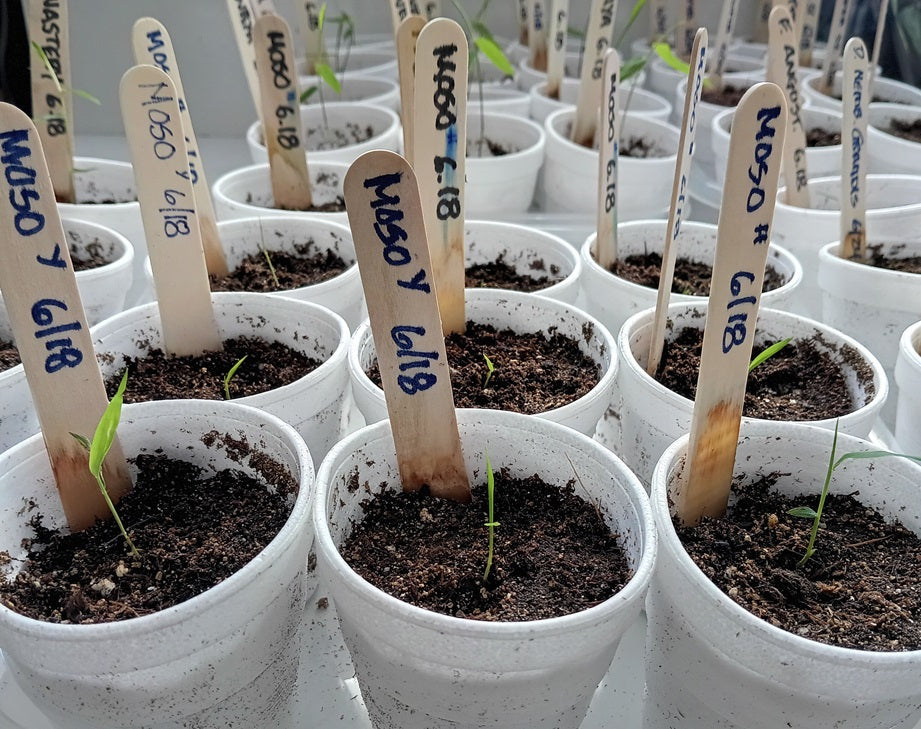
planting moso bamboo seeds Moso Bamboo SeedsGiant Moso Phyllostachys edulis Bamboo Seeds Quantity 30+ Phyllostachys edulis Moso Bamboo Seeds Test germinated and viability confirmed: May 2026. USDA Hardiness Zone: 7 10; in colder zones if winterized Winterizing Bamboo for Extreme Conditions Apply several inches of mulch at the base in Fall. Plant your bamboo in a location with maximum sunlight during Winter, protected from prevailing Winter winds. Plant adjacent to other shielding plantings.
Giant Moso Phyllostachys edulis Bamboo Seeds
- Quantity 30+ Phyllostachys edulis Moso Bamboo Seeds
- Test germinated and viability confirmed: May 2026.
- USDA Hardiness Zone: 7-10; in colder zones if winterized
- Giant Timber bamboo seeds
- Running bamboo seeds
- Cold hardy bamboo seeds
- Cold Hardy to -10°F / -23°C
- 25-60 ft. tall (7-18 m) and 10-25 ft. wide (3-8 m).
- Avg. days to first germination: 5-8
- When to Germinate: Any time
-
How to Germinate
About Moso Phyllostachys edulis Bamboo Seeds
Phyllostachys edulis, commonly known as Moso Bamboo (and formerly referred to as Phyllostachys pubescens), is a temperate species of running bamboo. Often referred to as Moso-Chiku bamboo, Mao Zhu Bamboo, and Tortoise Shell Bamboo. Native to Southeastern China and Taiwain, now widely naturalized and cultivated in other parts of the world.
|
|
|
Here is some more detailed information about the origins and characteristics of Giant Moso bamboo seeds:
-
Origins: Giant Moso bamboo seeds are native to the southeastern provinces of China, including Zhejiang, Anhui, Jiangxi, Fujian, and Guangdong. It grows in natural forests and is an important economic and cultural resource in the region. The bamboo has been cultivated for thousands of years, with records of its use dating back to the Song Dynasty (960-1279 CE).
-
Characteristics: Moso bamboo is one of the largest bamboo species in the world, with culms (stems) that can grow up to 20 meters tall and 15 cm in diameter. It has a rapid growth rate and can reach maturity in as little as 5 years, making it a highly renewable resource. The bamboo grown from Phyllostachys edulis seeds has a thick, woody culm wall that makes it highly durable and suitable for a range of uses, including construction, furniture, and paper production. Moso bamboo is also known for its high quality shoots, which are harvested for use as a vegetable in many Asian cuisines.
-
Cultivation: Moso bamboo is now widely cultivated in many parts of the world, including Europe, North America, and Southeast Asia. It is typically grown in temperate climates, and requires well-drained soil and plenty of sunlight. The bamboo is propagated by seed and through rhizome cuttings, which can be planted in the ground or in containers. Once established, Moso bamboo requires little maintenance and can provide a sustainable source of timber and other resources for many years.
-
Uses: Moso bamboo has a wide range of uses, both traditional and modern. In China, it has long been used for construction, furniture, and handicrafts, as well as for food and medicine. In other parts of the world, it is increasingly being used as a sustainable alternative to traditional timber, due to its fast growth rate, high durability, and eco-friendliness. Moso bamboo is also popular in the design industry, where its natural beauty and unique texture are highly valued.
See our catalog of all bamboo seeds in stock
Moso bamboo, scientifically known as Phyllostachys edulis, is a remarkable and widely recognized bamboo species. It is renowned for its impressive growth rate, making it the fastest growing bamboo in the world. If you're interested in growing Moso bamboo from seed, it is essential to understand that the germination process can be challenging. Obtaining fresh and viable seeds and providing them with the right conditions, such as warm temperatures and high humidity, can increase the chances of successful germination. Once the seeds have sprouted, Moso bamboo plant seeds can achieve astonishing growth, with some culms reaching heights of over 90 feet within a few months. Its rapid growth and immense size make Moso bamboo a fascinating and valuable addition to any garden or landscape project.
Moso Bamboo Seed Growth Habits
Phyllostachys edulis, commonly known as Moso bamboo, is a giant timber bamboo species native to China. It is widely cultivated in various parts of the world due to its fast growth rate, hardiness, and economic value.
Moso bamboo can reach a height of 15-25 meters (50-82 feet) with culms (stems) measuring 10-20 cm (4-8 inches) in diameter. The culms are initially green and turn yellow after a year or two. The nodes on the culms are slightly raised and are spaced about 30-50 cm (12-20 inches) apart. The leaves are about 10-20 cm (4-8 inches) long and 1-2 cm (0.4-0.8 inches) wide, and are arranged alternately along the culm.
Moso bamboo is a clumping bamboo, meaning that it grows in tight clusters, with new culms emerging from the base of the parent plant. The rhizomes (underground stems) of Moso bamboo are short and thick and grow horizontally just beneath the soil surface. The rhizomes can extend up to 2 meters (6.5 feet) from the parent plant, producing new culms along the way. The clumps can expand up to several meters in diameter, and over time, the parent plant and its offspring can form a dense grove.
Moso bamboo is a fast-growing species and can grow up to 1 meter (3.3 feet) per day under optimal conditions, although growth rates vary depending on environmental factors. It prefers well-drained soils and can tolerate a range of soil types, from acidic to alkaline. It also grows well in a wide range of temperatures, from -18°C to 38°C (0°F to 100°F), although it prefers temperatures between 18°C to 27°C (64°F to 80°F).
Moso bamboo requires a lot of water, and it can withstand flooding for short periods. It prefers an annual rainfall of 1000-2000 mm (40-80 inches) and can tolerate drought for short periods. Moso bamboo can be propagated by seed, and it is also propagated through rhizome cuttings or division of existing clumps.
In summary, Moso bamboo seeds produce a giant timber bamboo species that grows in tight clusters and can reach a height of up to 25 meters (82 feet). It grows rapidly, with new culms emerging from the base of the parent plant, and can form dense groves over time. It prefers well-drained soils, a wide range of temperatures, and a lot of water.
Moso Bamboo Phyllostachys edulis, giant bamboo, running bamboo seeds.
Phyllostachys edulis, the mōsō bamboo, or tortoise-shell bamboo, or mao zhu is a temperate species of giant timber bamboo native to China and Taiwan and naturalised elsewhere, including Japan where it is widely distributed from south of Hokkaido to Kagoshima.
The edulis part of the Latin name refers to its edible shoots. This bamboo can reach heights of up to 28 m (92 ft). This particular species of bamboo is the most common species used in the bamboo textile industry of China and other countries, for the production of rayon. Moso is less cold-hardy than many phyllostachys, surviving at a reduced height down to 5 degrees Fahrenheit (-15°C).
Phyllostachys edulis spreads using both asexual and sexual reproduction. The most common and well known mode for this plant is asexual reproduction. This occurs when the plant sends up new culms from underground rhizomes. The culms grow quickly and reach a height of 90 ft (27 m) or more (depending on the age and health of the plant). In mature individuals, the culms in young plants grow taller and wider in diameter as the general plant reaches maturity, but once the individual culm stops growing it will not grow again.
P. edulis also flowers and produces seed, and it does so every half century or so, but it has a sporadic flowering nature rather than the synchronous blooming seen in some other bamboo species. The seeds fall from the mature culms in the hundreds of thousands and are quick to germinate. Mice, field rats and other rodents take notice of the bounty of seed, this results in the loss of many of the seeds, but within a few weeks the surviving few seeds would have germinated.
Also known as heterocycla pubescens, heterocycla mitis, Bambusa edulis, Bambusa heterocycla.
Buying Moso Bamboo Seeds Online
If you're undecided about whether you want to buy Moso bamboo seeds, we invite you to check out our other bamboo seeds for sale. Our selection of fast growing bamboo seeds offers a variety of clumping bamboo seeds including Fargesia bamboo seeds, running bamboo seeds including Bissetii bamboo seeds, and cold hardy bamboo seeds including Umbrella bamboo seeds to help you find the perfect bamboo and buy bamboo seeds online.
Growing Cold Hardy Moso Bamboo from Seed
Growing cold hardy bamboo in the garden provides an attractive, fast-growing option for creating lush, evergreen privacy screens or focal points. Its ability to withstand lower temperatures and adapt to a variety of soil types makes it a versatile choice for gardeners in cooler climates. Additionally, cold hardy bamboo's dense root system can help prevent soil erosion, making it a practical and environmentally beneficial choice for slope stabilization and landscape design.
Shipping Notes
- Free Standard Shipping on $100+ Orders to the USA.
- Except Preorder products are shipped in 48 hours.
- Delivery to the USA:
- Standard Shipping : 3-10 business days
- If time is of the essence, please consider selecting expedited delivery for faster service.
Exchange/Return Notes
- We offer a 30-day return/exchange service after receiving.
- Final sale items are not eligible for returns or exchanges.
- To process your return/exchange, please contact us at [email protected]
- Please click here for more details>>> Return & Exchange Policy