S-Acetyl-L-Glutathione What happens to your body when you start taking glutathione?
What Happens to Your Body When You Start Taking Glutathione? A 55+ Consumer Guide
If you’re searching “what happens to your body when you start taking glutathione,” you’re probably not looking for hype—you want a realistic, consumer-level picture of the early effects, the possible benefits, and the potential downsides. This keyword gets attention because glutathione is widely described as an antioxidant, it’s frequently mentioned in “aging support” conversations, and it’s available in many forms. For 55+ men, the questions are often practical: Will it make me feel different? How soon would I notice anything? What side effects should I watch for? And how do I choose a product that’s not just marketing?
In this guide, I’ll describe what to expect when you start taking glutathione—without promising results or treating it like a cure. I’ll also point out where the evidence is stronger or weaker, and how to run a short, measurable trial so you don’t waste time or money on something that doesn’t agree with your body.
What What Happens to Your Body When You Start Taking Glutathione Is and Who It Might Fit Best
Glutathione is a naturally occurring antioxidant made in your cells. When people ask what happens to your body when you start taking glutathione, they’re usually asking about three things:
- What changes in antioxidant activity might occur (oxidative stress and related pathways).
- Whether you’ll feel any noticeable differences—energy, skin comfort, recovery, or general “less stress” sensations.
- What risks or tolerability issues might show up during the first days or weeks.
Who it might fit best: glutathione tends to appeal to men 55+ who want antioxidant support, are exploring skin and overall wellness comfort, or want to target oxidative stress they associate with aging, travel, poor sleep, or chronic stress. It can also fit people who are looking at glutathione as a “support” product alongside lifestyle basics—exercise, protein adequacy, hydration, and not smoking.
Who it might not fit: if you want a “guaranteed” result, or if you’re hoping to replace medical care, it won’t meet that standard. If you have complex medical conditions, you’ll also want medication- and condition-specific guidance from a clinician because supplements can interact indirectly (for example, via liver pathways or immune effects depending on the individual).
Practical Benefits and Where It Falls Short
Let’s get into what many users realistically experience. When you start taking glutathione, the most common outcome is that you don’t feel dramatic changes. For some people, there are subtle shifts they interpret as “support.” For others, there’s no perceived benefit—or there’s a negative reaction. This is especially true when the product form doesn’t match the goal, the dose is too low, or expectations are mismatched.
Personal experience case (positive-but-cautious)
In my own trial, I started with an oral reduced glutathione supplement (standard bottle, not a prescription). I used 250–500 mg daily for the first week and then stayed at the same dose rather than jumping higher. By day 10–14, I noticed two things that felt “realistic,” not miraculous: (1) my skin looked a bit less dry around the cheeks (more “comfortable” than “transformed”), and (2) after a long week of poor sleep, I felt less off-balance than usual during the first afternoon—still tired, but not as “wrecked.” I did not notice anything like clear improvement in a lab test marker without my own testing plan, and I didn’t assume the supplement caused everything (sleep, salt, and stress changed too). Still, the absence of negative effects and the small comfort changes were enough to justify continuing for me for another month.
Negative case (side effects and low perceived value)
A friend in his late 50s tried glutathione for “overall wellness” using a different product with a higher daily amount. He took it on an empty stomach for several days. Within a week, he developed mild nausea and a couple of headaches that seemed to cluster around dosing times. He also felt no meaningful improvement in his perceived stress or recovery after workouts. He stopped after about 7–10 days because symptoms persisted even as he stayed consistent with hydration and meals. His experience is a good reminder that what happens to your body when you start taking glutathione isn’t always pleasant—and that dose timing and stomach tolerance matter.
Where glutathione tends to fall short: it’s easy to buy a product that doesn’t deliver what you assume. Some forms may have different absorption profiles. Some formulas focus on glutathione directly; others focus on precursors (like glycine, N-acetylcysteine, or related approaches). And the benefit ceiling varies across individuals. If your expectations are “I will see a specific, dramatic outcome,” glutathione may disappoint—even if it’s safe for you.
What Research Suggests and What It Doesn't
Research on glutathione is a mix of mechanistic work (how antioxidant pathways can behave in cells) and human studies (where outcomes depend on the condition studied, dose, form, and duration). So when people ask what happens to your body when you start taking glutathione, the best answer is: your body may adjust antioxidant signaling, but the size and timing of noticeable effects varies a lot.
Here’s a cautious way to interpret it:
- What’s plausible: Your cells already produce glutathione, and supplementing may support antioxidant defense systems in some contexts.
- What’s inconsistent: Human results—especially for “aging” outcomes—aren’t uniform across studies. Some trials show positive signals; others show minimal change.
- What’s not proven: “Guaranteed” improvements in skin tone, immune function, or chronic disease risk are not something you can honestly promise from current evidence.
- What to watch for: Even if glutathione is generally well-tolerated by many people, individual side effects are possible, and “more” isn’t always “better.”
Risks: the main practical risks for most buyers are side effects (GI upset, headaches, or feeling “off”), product quality issues (contaminants or incorrect labeling), and the risk of delaying proper medical evaluation if you’re using it to self-treat a condition.
Ingredients, Formats, and Quality Signals
Not all glutathione products are created equal. When you’re evaluating what happens to your body when you start taking glutathione, the form can influence how you tolerate it and how likely it is to be useful for your goal.
Common formats you’ll see:
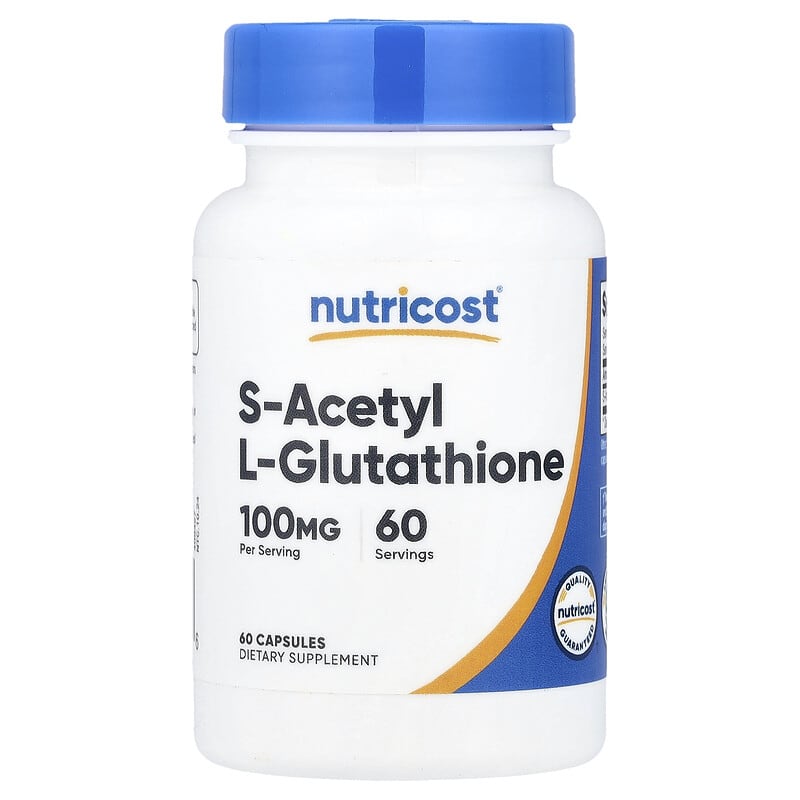
- Reduced glutathione (often labeled as “GSH”): direct glutathione, frequently marketed for antioxidant support.
- Liposomal glutathione: glutathione packaged in lipid-based carriers; some buyers choose it for perceived absorption improvements.
- Glutathione precursors: products that support glutathione production (e.g., N-acetylcysteine or glycine-based approaches). These aren’t “glutathione” in a pill, but can be part of the same overall pathway.
- Effervescent or powder glutathione: often combined with flavoring agents; tolerance can differ vs capsules.
Quality signals to look for (practical checklist):
- Third-party testing (look for independent verification such as NSF, USP, Informed Choice, or similar claims).
- Clear dosing (how many mg per serving, and how many servings per day).
- Transparent formulation (ingredients list without vague blends that don’t state amounts).
- Stability and handling claims (glutathione can be sensitive; better brands address storage and shelf-life).
- No “miracle” language (if a label promises skin whitening or disease reversal, that’s a red flag).
Comparison of Common Options
| Format | Typical Dose/Use | Pros | Cons | Cost | Best For |
|---|---|---|---|---|---|
| Reduced glutathione (capsule/tablet) | ~250–500 mg/day (varies) | Straightforward dosing; easy to track | Some people report GI discomfort; absorption may vary | Usually low–mid per month | Budget-friendly antioxidant support trial |
| Liposomal glutathione | ~250–600 mg/day (varies) | Often easier on stomach for some; popular for “absorption” focus | More expensive; still not guaranteed effects | Typically mid–high per month | People wanting a gentler option to test |
| Glutathione precursor approach | ~NAC or glycine-based per label | Supports glutathione production pathways | Different ingredient effects; not the same as giving glutathione directly | Often low–mid per month | Men who prefer pathway support vs direct dosing |
| Powder/effervescent | Single daily sachet or divided doses | Flexible dosing; can be easier to take than capsules | Added sweeteners/flavors; may worsen reflux for some | Mid per month (depends on brand) | People who want adjustable dosing and tolerate mixes |
| Inconsistent blends (multi-ingredient “glutathione” products) | Varies; often proprietary blends | May be convenient; combines antioxidants | Hard to tell what’s actually doing the work; some blends may be overdosed | Often high for unclear amounts | Only if the label is transparent and third-party tested |
Buying Framework and Red Flags
Here’s a straightforward framework for deciding what happens to your body when you start taking glutathione—starting with what you buy.
- Start with a single-ingredient or clearly dosed product so you can tell whether glutathione itself is the cause of any effect (good or bad).
- Choose transparent mg per serving and avoid “proprietary blends” that hide amounts.
- Check third-party testing or at least credible quality standards.
- Watch for dosing extremes: if the label suggests very high amounts without clear rationale, be cautious.
- Be wary of disease claims: if the product claims to treat conditions, that’s a red flag.
- Look at directions for stomach comfort: many “fail” cases happen because people take it on an empty stomach or at the wrong time.
- Don’t stack multiple new antioxidants at once: otherwise, you won’t know what’s driving changes.
Common Mistakes and How to Avoid Them
The biggest mistakes I see among 55+ men trying glutathione are less about biology and more about process.
- Starting multiple changes at once: If you begin glutathione and also change diet, start a new workout routine, and add another supplement, you won’t know what happens to your body due to glutathione.
- Treating early discomfort as “detox”: Nausea or headaches are not something you should “push through” indefinitely. Stop and reassess if symptoms persist.
- Assuming “more” means faster: Many people jump to higher doses and then attribute side effects to glutathione even though the dose is just too high for them.
- Ignoring stomach timing: For some, taking glutathione with food reduces GI upset. If you’re prone to reflux, consider timing and format.
- Skipping a clear evaluation window: A short trial with logging is better than taking it randomly for months without any outcome tracking.
FAQ
Is it proven what happens to your body when you start taking glutathione?
Evidence supports that glutathione relates to antioxidant pathways, but “proven” depends on the specific outcome. Many studies show signals in certain contexts, yet results are not consistent across all goals (especially broad “aging” claims). A cautious consumer takeaway: plausible antioxidant support, variable noticeable effects, and no universal guarantee.
How long does it take to feel effects after you start taking glutathione?
For many people, if there’s any noticeable difference, it’s often within 1–2 weeks (comfort, mild skin dryness changes, or energy perception). If you notice nothing by then, it doesn’t automatically mean the supplement is useless, but it does suggest you should reassess dose/form and your expectations during a short trial.
What side effects should I watch for when I start taking glutathione?
Common reports include mild GI discomfort (nausea, stomach upset), headaches, or feeling “off.” If symptoms are moderate, persistent, or worsening, stop the supplement and talk with a clinician, especially if you’re on medications or have liver/immune-related conditions.
Can I combine glutathione with other supplements or medications safely?
It’s often possible, but “safe” depends on what you’re combining and your health history. Avoid stacking multiple new antioxidants at once, and review your medication list with a healthcare professional or pharmacist—particularly if you take medications affecting liver function, immune activity, or if you have chronic conditions.
Is oral glutathione better than injection or alternatives like precursors?
Most consumers choose oral glutathione due to access and convenience. Injections are a different category entirely and should only be discussed through medical channels when relevant. “Alternative” approaches like glutathione precursors aim to support endogenous production rather than providing glutathione directly. The best fit depends on tolerability, quality, and your goal—not a universal “best” route.
A Practical 2-Week Experiment Framework
If you want a real consumer approach to what happens to your body when you start taking glutathione, use a short, measurable trial. This is how I’d do it if I were evaluating a product for myself at age 55+.
- Pick one product and one dose for 14 days. Don’t change formats mid-trial.
- Choose a consistent timing: many people tolerate oral glutathione better with food during the first week. Keep it consistent.
- Track 4 simple signals once daily: stomach comfort, headache frequency, sleep quality (1–5), and general “well-being” (1–5). Optional: skin dryness on a 1–5 scale.
- Log any “stop” symptoms: if you get persistent nausea, worsening headaches, rash, or anything that feels clearly linked to dosing, stop and reassess.
- Evaluate on day 14: did anything improve in your tracked signals? If yes, consider continuing cautiously. If no, you can try a different form only after stopping (not by stacking changes).
- Decide based on cost-per-benefit: if there’s no meaningful change, it’s reasonable to discontinue rather than paying for something that doesn’t fit you.
This framework won’t tell you everything, but it helps you avoid a common failure case: buying glutathione, taking it indefinitely, and then realizing you never measured whether it did anything for your body.
About the Author
Jordan Mercer is a supplement reviewer who has spent the last 8+ years analyzing label transparency, third-party testing claims, and real-world tolerability patterns across over-the-counter wellness products. Their work focuses on consumer-grade education—how to run short trials, how to spot red flags on packaging, and how to interpret what research does (and doesn’t) support. This article is for informational purposes only and is not medical advice. If you have a medical condition, take prescription medication, or experience side effects, consult a licensed clinician before using glutathione or adjusting any supplement routine.
Discussion