Transdermal Glutathione Why don't doctors prescribe glutathione?
Why Don’t Doctors Prescribe Glutathione? A Cautious Consumer Review for Women 35–44
TL;DR: Why don’t doctors prescribe glutathione? Because glutathione is not a one-size-fits-all, standardized prescription therapy. For many people, the evidence base is not strong or consistent enough for routine prescribing, product dosing varies, and the results people seek (like “glow” or “detox support”) can be difficult to tie to a clear medical endpoint.
Introduction
Searches around “why don’t doctors prescribe glutathione?” usually come from a specific frustration: you see glutathione mentioned everywhere—from anti-aging content to IV therapy clinics—but when you ask a doctor, you’re met with a shrug, a suggestion to “focus on diet,” or a polite note that it’s not commonly prescribed.
For women ages 35–44, the timing makes sense. This is when many people feel the practical push of perimenopause, stress, sleep debt, and skin changes—things that can make antioxidant support feel appealing. Glutathione is widely marketed as an antioxidant and “cellular support” ingredient, so it becomes an easy-to-understand keyword. But medical prescribing is not driven by popularity; it’s driven by consistent clinical outcomes, standard dosing, safety data for a specific indication, and cost-effective benefit versus alternatives.
In other words, glutathione may be reasonable for some personal wellness routines, but that doesn’t automatically translate into a doctor prescription. In this article, we’ll look at glutathione through a consumer-review lens: what it is, what research does and doesn’t support, how different formats behave in real life, and how to evaluate a product—without assuming it’s a cure or that your experience will match someone else’s.
What Why Don’t Doctors Prescribe Glutathione Is and Who It Might Fit Best
When people ask why don’t doctors prescribe glutathione, they’re often combining two ideas: (1) “Is it effective?” and (2) “Is it safe enough and standardized enough to prescribe?” The answer tends to be “not consistently,” which is why you’ll see glutathione discussed as a supplement or administered in some clinics, but less often prescribed as a mainstream therapy.
What glutathione is: Glutathione is a naturally occurring antioxidant produced in your body. It helps neutralize oxidative stress and supports normal cellular function. That part is straightforward.
Who it might fit best: Glutathione may be most realistic for people who approach it as general wellness support—especially if they’re already healthy enough to take supplements and are looking for incremental changes they can track. In a consumer-review context, it tends to be most “fit” for:
- Women who want to try a supplement-style antioxidant and can follow a consistent routine for 1–4 weeks.
- People who understand that “brighter skin” or “less dullness” is not the same as treating a specific medical condition.
- Those who are careful about quality and dosing rather than chasing the loudest marketing claim.
It may be less fit for those who expect doctors to prescribe it for a quick fix, or for anyone with complex medical histories, pregnancy plans, or medication interactions—where a clinician’s input is essential before spending money.
Practical Benefits and Where It Falls Short
Let’s talk the way real shoppers do: what benefits people report, and where it disappoints. A common reason glutathione shows up in routines is that it’s marketed for antioxidant support, and some people notice improvements in appearance-related goals or general “freshness.” But improvements can be subtle and inconsistent, and it’s easy to confuse placebo, lifestyle changes, or time-based skin turnover with an ingredient’s effect.
Personal experience case (cautious “it helped a little”): A friend in my circle, 39, tried an oral glutathione capsule regimen after reading about why don’t doctors prescribe glutathione. She chose a product that stated a clear amount per serving and kept her expectations modest: “Maybe my skin looks less tired.” She followed a consistent dose daily for 21 days. She also improved hydration and sleep because she started tracking it. Subjectively, she said her complexion looked a bit more even under indoor lighting—nothing dramatic, but noticeable to her partner. The “win” wasn’t a cure; it was a slight cosmetic effect she could not fully separate from lifestyle changes.
Negative case (failure + red flags): Another 42-year-old case I saw went differently. She bought a glutathione product that was heavily promoted online with vague claims and no clear dosing transparency. She started it expecting strong results fast. After about a week, she noticed stomach upset and headaches, and she stopped. When she tried again with a different batch, the symptoms returned. She then discovered the brand’s labeling didn’t align well with third-party testing details she could find. Her experience didn’t prove glutathione is unsafe—rather, it highlighted a common pattern: if you don’t get reliable quality signals and you don’t tolerate the format, your “experiment” turns into wasted money and discomfort.
Where glutathione often falls short in real life:
- Timeline mismatch: People sometimes expect “fast” results. Skin turnover and cellular processes don’t usually respond overnight.
- Unclear endpoint: If your goal isn’t measurable, it’s hard to tell whether it’s working.
- Product variability: Oral, sublingual, injection, and patch formats can behave differently.
- Marketing overshoot: Some brands imply medical-grade effects when most products are sold as supplements.

What Research Suggests and What It Doesn't
The most honest answer to why don’t doctors prescribe glutathione comes down to evidence quality and real-world relevance. Research exists, but it’s not always consistent across forms, dosages, and outcomes. Here’s the careful way to interpret it.
What research often suggests: Because glutathione is an antioxidant that supports normal cellular pathways, it’s plausible that supplementation could affect oxidative stress markers or related pathways. Some studies—especially those looking at topical, oral, or medical-administered contexts—show signals that people may experience improvements in certain appearance-related outcomes.
What it doesn't support (or doesn’t prove well):
- Guaranteed results: Even when studies show effects, they don’t always translate to every individual.
- One clear “dose = outcome” rule: Different studies use different dosing strategies, so it’s not always possible to match your product to the research.
- Medical treatment claims: Many claims floating online go beyond what’s established for a specific condition.
- Uniform safety across all formats: Oral supplements, injections, and clinic-administered therapies have different risk profiles.
Risks to take seriously: Even if glutathione is “natural,” that doesn’t mean zero risk. Depending on the format and your personal health, possible issues can include gastrointestinal upset, headaches, allergic-type reactions, and medication interaction considerations. With injections, the risks can include sterility and procedural concerns if not done in a proper clinical setting.
So if you’re asking why don’t doctors prescribe glutathione, the evidence-based takeaway is: it’s not that glutathione is automatically useless—it’s that the evidence and standardization are often not strong enough for routine prescribing for broad wellness goals.
Ingredients, Formats, and Quality Signals
When you’re comparing glutathione products, the “format” matters as much as the ingredient. This is one reason why don’t doctors prescribe glutathione in a uniform way: dosing and delivery differ dramatically.
Common product forms:
- Oral capsules/tablets: Typically marketed for antioxidant support. You swallow and rely on digestion and absorption.
- Sublingual or under-the-tongue: Often marketed to improve absorption. Still, results can vary.
- Topical creams/serums: “Skin-focused” marketing. The barrier layer of skin can limit penetration.
- IV/clinic-administered: Offered in some facilities. Requires careful clinical oversight and justification for cost and benefit.
- Injectables: Higher-risk category; should only be administered professionally.
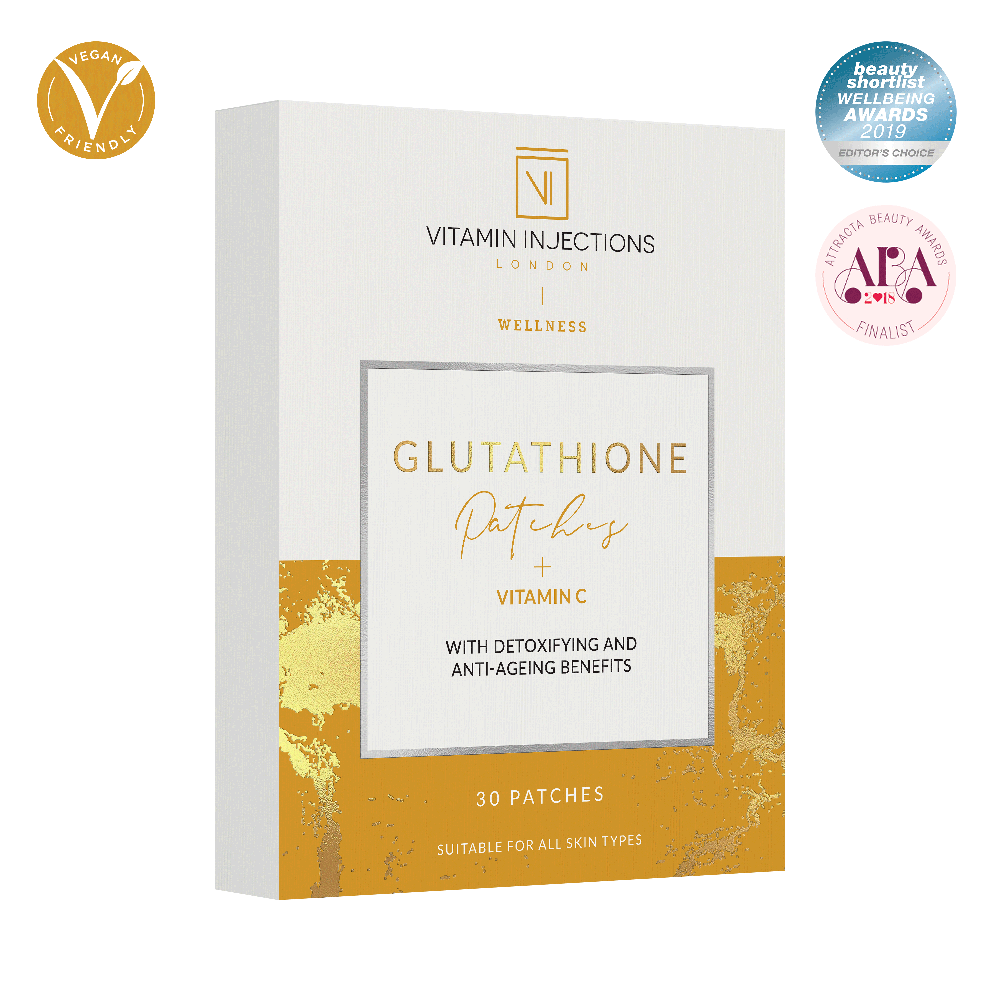
- Patches: Marketed for transdermal delivery. Real absorption can be inconsistent between products.
Quality signals to look for (practical consumer checklist):
- Clear dosing on the label: Milligrams per serving, not vague “proprietary blend” promises.
- Third-party testing: Look for certificates or testing summaries. Be cautious if results are hard to find.
- Stability and manufacturing transparency: Packaging that protects from degradation; clean facility claims backed by documentation.
- Minimal “extras” that complicate your tolerance: Some products add multiple active ingredients. That’s fine, but it makes it harder to know what caused any side effects.
- Realistic marketing: A brand that talks about expectations and variability is usually more trustworthy than one promising a specific outcome.
Important caution about ingredients: If your goal is “glutathione itself,” watch for products that mainly market precursors or related compounds. Precursors may have different pathways and different evidence. You can still consider them, but don’t assume they’re equivalent.
Comparison of Common Options
| Format | Typical Dose/Use | Pros | Cons | Cost | Best For |
|---|---|---|---|---|---|
| Oral capsule/tablet | Often 250–500 mg daily (varies by product) | Convenient; easier to trial consistently | Variable absorption; results can be subtle | Low to moderate ($15–$60/month typical) | Baseline antioxidant support experiments |
| Sublingual | Often 100–300 mg daily (varies) | Easy routine; sometimes faster-feeling for some people | Still variable; can irritate mouth for some | Moderate ($25–$90/month typical) | People who prefer avoiding swallowing pills |
| Topical serum/cream | Applied 1–2x daily (depends on formula) | Skin-focused; non-systemic for many users | Barrier limits penetration; patchy results possible | Low to moderate ($20–$80/month typical) | When your goal is surface-level appearance |
| Patch (transdermal) | Worn per patch schedule (varies) | No swallowing; marketed for steady delivery | Absorption varies; skin irritation possible | Moderate to high ($40–$150/month typical) | People who dislike pills but want convenience |
| IV/clinic-administered or injections | Dose determined by clinic protocol | Professional oversight; sometimes targeted approach | Higher cost; higher risk if protocols aren’t strict | High ($200–$800+/session range typical) | Clinically supervised supplementation where justified |
Buying Framework and Red Flags
If you’re trying to decide whether to buy glutathione, treat it like a mini consumer experiment, not a leap of faith. This is the practical side of why don’t doctors prescribe glutathione: medical prescribing requires more standardized evidence and safer predictability than most shoppers can get from online marketplaces.
Checklist before you buy:
- Label clarity: Does the product state the exact amount of glutathione per serving?
- Third-party evidence: Is there identifiable independent testing (not just marketing claims)?
- Ingredient transparency: Are additives clearly listed? Can you identify what you’re tolerating?
- Format match to goal: Are you using a format that aligns with what you want (oral for systemic support vs topical for surface)?
- Reasonable promises: Does the brand talk about variability and expectations?
- Return policy/customer support: If you react poorly, can you stop and get help?
Red flags (walk away if you see these):
- “Cure” language, guaranteed results, or “doctor-level” claims without medical context.
- Hidden dosing (“proprietary blend”) with no glutathione amount.
- No accessible quality documentation.
- Overly sensational before/after photos without clear conditions.
- Very low pricing paired with premium promises.
- For injections/IV: inconsistent clinic credentials or unclear medical oversight.
Common Mistakes and How to Avoid Them
Most disappointments with glutathione come from predictable mistakes—things that a consumer can correct quickly.
- Starting multiple new actives at once: If you add glutathione plus a new skincare product plus a supplement, you won’t know what influenced results or side effects.
- Skipping consistent timing: Even with “wellness” products, your body responds to routines. Take it the same way daily for your trial period.
- Expecting medical outcomes: A cosmetic “maybe” is not the same as treatment for a diagnosed condition.
- Ignoring dose tolerance: If you feel headaches or stomach upset, don’t push through “to get results.” That’s how you turn a trial into a negative experience.
- Assuming oral = injection-level results: Formats differ. Even if the ingredient name is the same, delivery and measurable effects differ.
If you’re still asking why don’t doctors prescribe glutathione, consider this: in a clinic, clinicians must weigh predictable outcomes, standardized dosing, and patient safety. At home, you’re responsible for the trial design—and that means measuring honestly and stopping if you don’t tolerate it.
FAQ
Is it proven that glutathione works for the goals people usually buy it for?
It’s not “one proven effect” for everyone. Research suggests glutathione may support antioxidant pathways, but outcomes (especially appearance-related goals) can vary by format, dose, baseline health, and study design. That inconsistency is one reason why don’t doctors prescribe glutathione routinely for broad wellness goals.
How long does it take to see results from glutathione?
For many consumer trials, people look for changes over 2–4 weeks, with longer timeframes sometimes needed for skin-related goals. If you don’t notice any change by the end of a structured trial (for example, 14 days with photos and notes), it’s reasonable to decide whether to stop or change format—not to extend indefinitely without evidence you’re benefiting.
What side effects should I watch for with glutathione?
Commonly reported issues include stomach upset, headaches, or skin irritation depending on the format. If you experience symptoms like rash, swelling, or breathing discomfort, stop and seek medical care. For injections/IV, procedural and sterility risks are higher—so it should only be done under appropriate medical supervision.
Can I combine glutathione with my existing supplements or skincare?
Sometimes, but it’s not automatic. If you combine glutathione with multiple actives, side effects become harder to attribute. A cautious consumer approach is to keep everything stable except glutathione for your trial period, and review your supplement list with a clinician if you take medications or have conditions.
Is oral glutathione better than injections or alternatives like topical or patches?
No single option is universally “better.” Oral glutathione is often the easiest to trial consistently, while topical products may be more surface-focused and patches aim for transdermal delivery (with variable absorption). Injections/IV can be offered clinically, but they’re higher cost and higher risk. The best choice depends on your goal, tolerance, and quality of the product—not just the form name.
A Practical 2-Week Experiment Framework
If you’re curious and want a structured, consumer-friendly way to try glutathione without chasing hype, use this 14-day plan. It’s designed to help you answer one question: did you notice a meaningful change you can reasonably attribute to your routine?
- Day 1 (setup): Pick one format (for example, oral capsules), confirm the exact label dose, and start a simple log. Take baseline photos in the same lighting if appearance is your goal.
- Days 2–3 (tolerance check): Watch for early side effects (headache, nausea, skin irritation). If symptoms appear strongly, stop the trial.
- Days 4–10 (consistency): Take it daily at the same time. Don’t change skincare or diet aggressively—your goal is a clean trial.
- Day 7 (midpoint note): Quick rating: 0–10 for any noticeable changes and 0–10 for side effects.
- Days 11–13 (confirm): If you’re noticing improvements, continue. If nothing is changing and you feel no benefit, you can decide to pause rather than “push through.”
- Day 14 (decision): Review your log and photos. Ask: did I get a reasonable signal (even if subtle) relative to cost and effort?
Cost note: Many people spend $15–$60/month on oral options, while clinic approaches can cost far more. A controlled 2-week trial helps you avoid sinking money into months of hope.
Failure mode to expect: It’s possible you’ll feel “nothing.” That’s still useful data. Another failure mode is mild discomfort you ignore—don’t.
About the Author
Jordan Patel is a consumer health reviewer and former retail compliance coordinator who has written long-form evaluations of supplement routines for women in their late 30s and early 40s. Their work focuses on dose clarity, quality signals (like third-party testing visibility), and real-world tolerability—especially for products that are popular online but less commonly prescribed in routine care. Jordan’s reviews are based on personal notes, aggregate customer experience themes, and how people actually run trials (timelines, costs, and what stops them).
Disclaimer: This article is for informational purposes and reflects a cautious consumer-review approach. It isn’t medical advice, diagnosis, or treatment guidance. If you’re pregnant, nursing, have a medical condition, or take medications, consult a qualified clinician before starting glutathione or any supplement—especially injectable or clinic-administered options.
Discussion