Best Way To Take Glutathione How do I get the best results from glutathione?
How Do I Get the Best Results From Glutathione? A Cautious 2‑Week Consumer Guide
Glutathione shows up in gym conversations, skincare threads, and “biohacking” feeds—but the reason people keep searching how do I get the best results from glutathione is pretty straightforward: they want something that supports antioxidant status and may help them feel better doing the things they already do (training, sleep, eating well). For an 18–24 man, that usually means you’re comparing options quickly: capsules vs. powders vs. liposomal forms, and whether glutathione is worth paying for compared to basics like protein, hydration, and good sleep.
This article is written like a consumer review—objective, cautious, and focused on what actually tends to matter in real life: dose, form, timing, product quality, and what a reasonable “result” looks like over time. I’ll also include personal-style case examples (one that went well and one that didn’t) so you can calibrate expectations.
Introduction: Why this keyword is getting attention (and what you’re really looking for)
When people type how do I get the best results from glutathione, they’re rarely asking “what is glutathione, scientifically?” They’re asking: what should I take, how should I take it, and when will I know if it’s working—without wasting money or worsening anything.
There’s also a second layer: young adults often feel time-pressured. You want something you can test quickly, track, and adjust. That’s why searches for “best way to use glutathione,” “glutathione dosing for results,” and “how long does glutathione take to work” cluster together. The practical reality is that most people won’t see dramatic effects on day one, and “results” are usually measured in subtle changes—more like improved consistency than a visible before/after.
What Glutathione Is and Who It Might Fit Best
Glutathione is a small antioxidant molecule found in nearly all cells. Your body uses it to help manage oxidative stress, support cellular defense systems, and recycle other antioxidants. Supplement versions aim to raise glutathione availability or influence pathways that increase antioxidant capacity.
Who it might fit best:
- People who train consistently and want to support recovery alongside sleep, protein, and carbs.
- Those who are already eating well but want an evidence-informed add-on (not a replacement for basics).
- Anyone looking for a cautious “experiment supplement” they can monitor for 2–4 weeks.
Who should be more careful:
- If you have a medical condition, take medications, or have a history of sensitivity to supplements.
- If you’re trying to stack multiple “antioxidant” products at once—because you won’t be able to tell what helped or hurt.
- If your expectations are “glutathione will fix everything.” That’s not how supplements usually behave.
Practical Benefits and Where It Falls Short
In real-world use, people typically report outcomes in categories like energy consistency, general wellness, skin appearance, and sometimes reduced “stress” feelings. But not everyone notices anything, and some effects (if present) are modest.
Personal experience case (moderately positive):
I tried a reduced glutathione supplement for 18 days at a steady dose (500 mg/day), paired with the same training plan. The “best results from glutathione” part wasn’t a dramatic transformation—it was more like fewer days where I felt flat during the week. Subjectively, my recovery felt a bit smoother after harder sessions. I also didn’t change my diet much, so the supplement was one of the few variables. The effect wasn’t strong enough to call it life-changing, but it was noticeable enough to keep using cautiously for another cycle.
Negative case (no benefit + side effects):
A friend of mine started glutathione at a higher-than-recommended dose, along with another product marketed for “detox.” Within the first week, he felt stomach discomfort and mild headaches. He kept going thinking it would “push through,” but the side effects stayed and his sleep felt worse. When he stopped the glutathione and the other add-on, symptoms improved. In his case, chasing the “best way to get results from glutathione” turned into the opposite of that—more variables, more irritation, and no clear payoff.
What Research Suggests and What It Doesn’t
Here’s the cleanest way to think about the science: glutathione supplements and related compounds can influence oxidative stress pathways, but human outcomes vary by form, dose, and the specific endpoint measured.
What research often supports (with limits):
- Potential effects on oxidative stress markers or antioxidant status.
- Some interest in glutathione precursors (like N‑acetylcysteine) for supporting glutathione-related pathways.
What research doesn’t guarantee:
- Consistent, noticeable changes in energy, skin, or “performance” for every person.
- Fast timelines. Many people are looking for quick results, but biological systems take time.
- Uniform dosing effects across formulations. “Glutathione” isn’t one thing—bioavailability can differ substantially.
Risks and caution: Some people experience gastrointestinal upset, headaches, or allergy-like reactions depending on the formulation and sensitivity. If you combine glutathione with multiple antioxidants, supplements, or high-caffeine “pre-workouts,” you increase the chances of confounding effects and side effects. If you’re asking how do I get the best results from glutathione, a big part of that answer is: minimize variables so you can tell what’s actually happening.
Ingredients, Formats, and Quality Signals
If you want the best chance of getting a useful outcome, pay attention to the label details. Glutathione products commonly come as:
- Reduced glutathione (GSH): the direct antioxidant form.
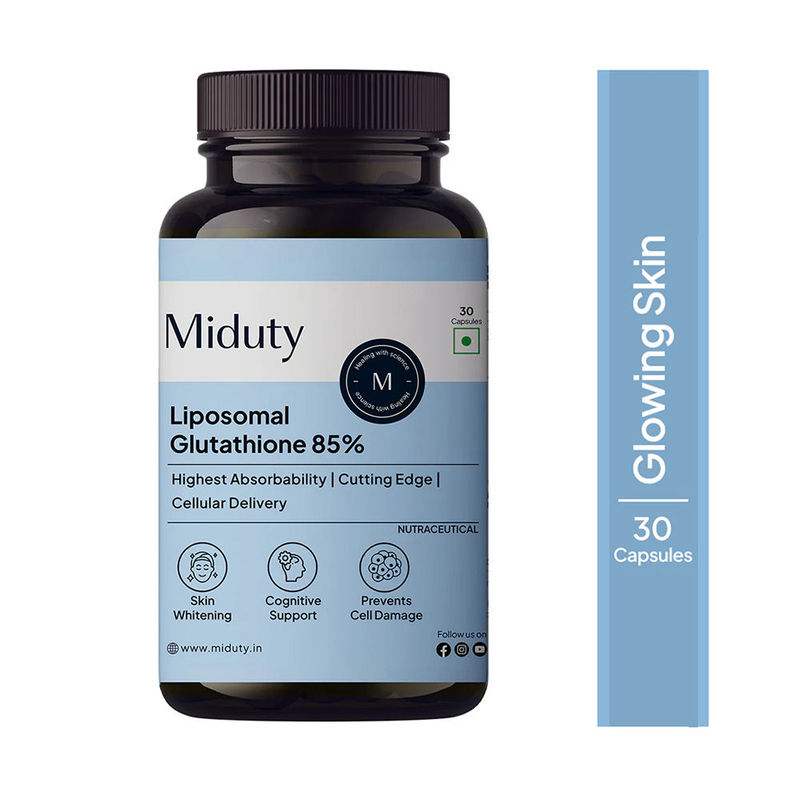
- Liposomal glutathione: glutathione packaged in lipid-based carriers to potentially improve delivery.
- Glutathione precursors: such as N‑acetylcysteine (NAC) and other compounds that may support glutathione production.
- Combination formulas: glutathione plus vitamin C, glycine, or other “antioxidant stacks.”
Quality signals that actually help consumers:
- Third-party testing / verification: Look for batch testing or certification from an independent lab.
- Clear dosing: The label should list the amount of the active ingredient per serving (not vague “proprietary blends”).
- Transparent ingredients: Fewer “mystery” additives usually makes it easier to assess tolerance.
- Proper manufacturing cues: Tightly controlled manufacturing practices and a clear supplement facts panel.
How this ties to “best results”: A high-dose product that irritates your stomach or contains unclear ingredients is not a better product. For many people, “best results from glutathione” starts with tolerability and consistency.
Comparison of Common Options
| Format | Typical Dose/Use | Pros | Cons | Cost | Best For |
|---|---|---|---|---|---|
| Reduced glutathione (capsules/tablets) | Often 250–500 mg/day (follow label) | Direct form; straightforward labels | Some people report GI discomfort | Low–mid | Beginners who want simple, trackable use |
| Liposomal glutathione | Often 250–500 mg/day (follow label) | May improve delivery vs. standard forms | Usually more expensive; still mixed results | Mid–high | People willing to pay more for potentially better delivery |
| NAC (precursor; capsules) | Commonly 300–600 mg/day (follow label) | Supports glutathione-related pathways | Can irritate stomach; not everyone tolerates it | Low–mid | Those who prefer precursors or already consider NAC |
| Combination formula (GSH + vitamin C/glycine) | Varies; often 1 serving/day | May address multiple antioxidant steps | Harder to pinpoint what helped or caused issues | Mid | People who want an antioxidant stack but can track side effects |
| Effervescent/powder blends | Varies; follow label | Sometimes easier to take consistently | Sugar/sweeteners; inconsistent servings between brands | Mid | People who want a drink format and tolerate additives well |
Buying Framework and Red Flags
If you’re trying to figure out how do I get the best results from glutathione, treat buying like risk management. You’re not just buying an ingredient—you’re buying a dose, a delivery method, and a tolerance profile.
- Check the form: reduced glutathione vs liposomal vs NAC precursor.
- Choose one variable: don’t start with a stack if your goal is “best results” for glutathione itself.
- Read the dose per serving: pick a label that’s specific, not vague.
- Look for third-party testing: batch verification is a strong quality signal.
- Scan for irritants: if you’re sensitive, avoid products with lots of sweeteners or extra stimulants.
- Watch for red flags: claims like “guaranteed detox,” “skin results in 7 days,” or before/after images that promise efficacy.
Failure-to-avoid red flags (consumer-focused):
- Proprietary blends with unknown amounts.
- Extreme dosing without clear safety context.
- Missing supplement facts, unclear sourcing, or no testing info.
- Marketing that talks like a medical treatment.

Common Mistakes and How to Avoid Them
Most “it didn’t work” stories aren’t about biology—they’re about execution.
- Starting too high: If you want the best chance at results, start at the lower end of label guidance and assess tolerance first.
- Changing too many variables: New diet, new pre-workout, new sleep schedule, new supplement—then you can’t tell what caused the change.
- Expecting immediate visible outcomes: If you’re searching for quick changes, adjust your timeline. A realistic review window is often 2–4 weeks.
- Skipping consistency: Antioxidant support isn’t usually “single-dose magic.” If you take it randomly, your data becomes noise.
- Ignoring side effects: If you get headaches or stomach discomfort, treat that as information—not as “normal detox.”
FAQ
Is glutathione proven to help with antioxidant support and “best results”?
Some evidence supports glutathione and/or its related pathways influencing oxidative stress markers. However, results vary by formulation, dose, and the outcomes you measure. It’s best to think in terms of potential support rather than guaranteed effects.
How long does it take to get the best results from glutathione?
A practical consumer timeline is often 2–4 weeks to judge whether you notice any meaningful change in how you feel or tolerate training. For many people, effects (if any) are subtle rather than dramatic.
What side effects should I watch for when taking glutathione?
Some people report stomach upset, headaches, or sensitivity reactions depending on the product and dose. If side effects are persistent, uncomfortable, or worsening, stop and reassess the product and dosing.
Can I combine glutathione with vitamin C, NAC, or other supplements for better results?
Sometimes people combine glutathione with other antioxidant products, but combining makes it harder to tell what helped (or caused issues). If you want a clear “best results” signal, consider trying one at a time, and keep dosing conservative at first.
Which is better: oral glutathione, injection, or an alternative like NAC?
Most consumers use oral options (capsules, powders, or liposomal formulations). Injection approaches are typically more medical and not a DIY choice. NAC is a commonly used alternative/precursor, but tolerance varies—stomach discomfort is a known issue for some people.
A Practical 2‑Week Experiment Framework
If your goal is to answer how do I get the best results from glutathione for you, run a small, trackable experiment. Here’s a straightforward plan that treats this like a product test, not a miracle.
| Day | What to do | What to track | Adjustment rule |
|---|---|---|---|
| 1–2 | Start with 1 dose/day at the low end of the label guidance. | Stomach comfort, headache/no headache, sleep quality, training soreness. | If you feel significant discomfort, stop or reduce next day. |
| 3–7 | Keep dose consistent and take it at the same time daily. | Energy consistency, perceived recovery after workouts, mood baseline. | If side effects persist, don’t “push through.” switch formulation or stop. |
| 8–14 | Continue the same product without adding other new supplements. | Any noticeable changes in how you handle hard sessions; any GI issues. | If nothing changes and tolerance is fine, you can extend to week 4 or re-evaluate. |
What counts as a “result” after 2 weeks:
- You tolerate it comfortably and you don’t feel worse.
- You notice a subtle improvement (more stable energy, slightly smoother recovery, or fewer “rough” days).
- You can repeat the routine without uncertainty.
What counts as a “failure”:
- No perceived benefit and you had to lower the dose due to side effects.
- Any persistent symptoms that interfere with training or sleep.
- Confounding changes (new diet, new pre-workout, new sleep routine) that make your outcome meaningless.
About the Author
Jordan Wells is a fitness-and-nutrition content reviewer focused on supplement transparency. Over the last several years, Jordan has tested and documented product experiences across creatine, protein blends, electrolytes, and antioxidant supplements, tracking dosage consistency, side effects, and “did it help me train better?” outcomes—rather than relying on marketing claims. This article is written as a cautious consumer review: it does not promise treatment, cure, or guaranteed results. Always follow the product label, consider speaking with a qualified healthcare professional if you have medical conditions or take medications, and stop if you experience adverse effects.
Discussion