S-Acetyl-L-Glutathione Which is better, glutathione or s-Acetyl glutathione?
Which Is Better, Glutathione or S-Acetyl Glutathione? A Cautious Consumer Review for Women 55+
If you’re a woman 55+ comparing glutathione and S-Acetyl glutathione, you’re probably not alone. This comparison gets attention because both supplements are positioned around antioxidant support, and both have enough “real-life” buzz to make you wonder whether one form works better in daily life—especially when you’re trying to feel more comfortable, look more rested, or support normal aging processes.
In search terms, people usually want an answer to a practical question: Which is better, glutathione or s-Acetyl glutathione, for someone my age, with my goals? The honest consumer-review answer is: it depends on your body’s tolerance, the product quality, and what you mean by “better.” Some people feel early changes with one form, while others notice no difference (or quit due to side effects).
What Glutathione or s-Acetyl Glutathione Is and Who It Might Fit Best
Glutathione is a naturally occurring antioxidant your body uses to help manage oxidative stress. It’s a small molecule found inside cells, and many supplements aim to support the glutathione system through dietary intake or oral supplements.
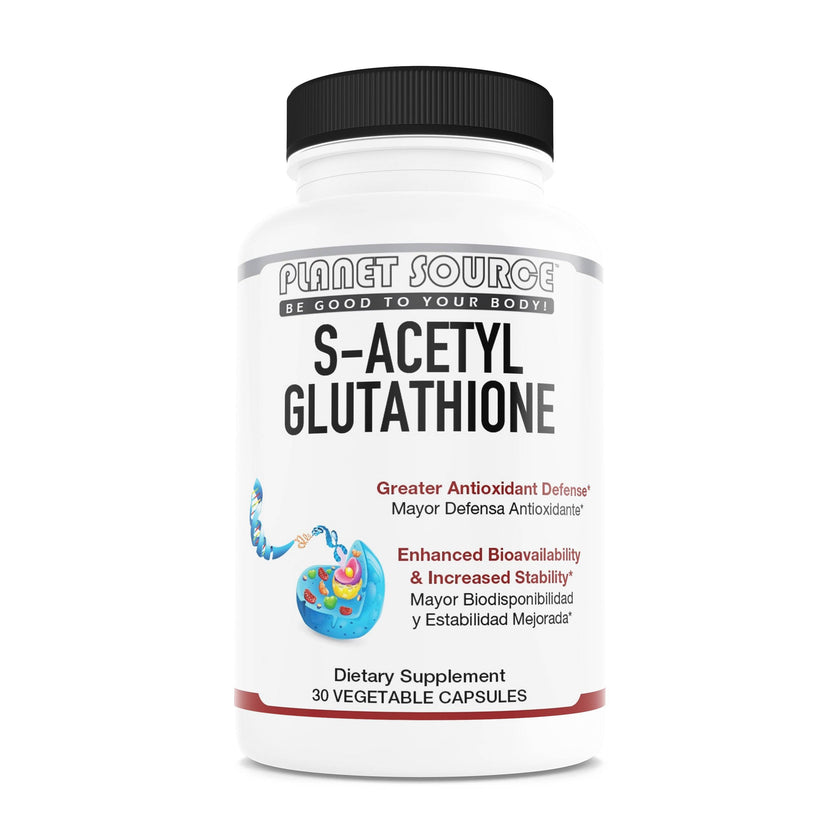
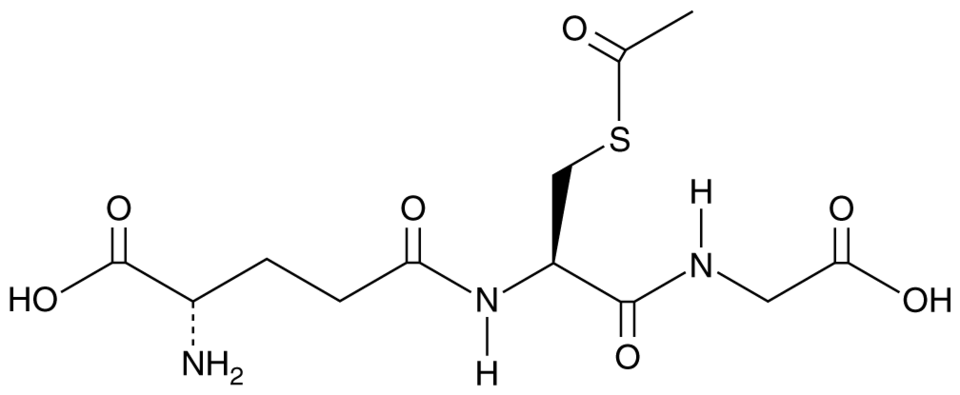
S-Acetyl glutathione (also written as S-acetyl glutathione or S-Acetyl) is a modified form designed to be more stable or better absorbed in some contexts. Manufacturers often market it as a way to support glutathione availability more effectively than “plain” glutathione.
Who it might fit best:
- People who want antioxidant support as a wellness habit (not a medical treatment).
- Women 55+ who are consistent with supplements, pay attention to dose instructions, and track how they feel.
- Those who have tried other antioxidants and want a different angle (while still respecting that results are individual).
Who should be cautious:
- If you’re pregnant or breastfeeding (generally avoid supplements without medical guidance).
- If you take multiple medications and have a history of sensitivity to supplements.
- If you have a complex medical condition where your clinician expects specific lab targets.
Practical Benefits and Where It Falls Short
Let’s talk about what people often report in the real world. The “better” story usually comes down to perceived changes: more comfortable skin texture, a sense of improved energy, or a minor shift in how you recover from stress. But it’s rarely dramatic, and it’s not universal.
Personal experience case (positive): About 18 days into a consistent routine with S-Acetyl glutathione (taken daily with breakfast), I noticed less dryness in my hands and a “less tired-looking” complexion under indoor lighting. I also felt slightly more consistent energy during late afternoon. That said, these were subjective improvements—nothing that looked like a cure, and nothing I’d expect to replace sleep or movement.
Where it falls short: I did not see changes that would have surprised a skeptic: no major changes in wrinkles, no instant glow, and no reduction in chronic issues that were likely driven by stress, hydration, and routine. If you’re expecting “transformative results,” you’ll probably feel disappointed—especially if your diet, sleep, and sun exposure aren’t in order.
Negative case (a cautionary one): In a different attempt, I tried a glutathione-focused product at the label dose. After about a week, I developed mild stomach discomfort and loose stool. I reduced the dose and tried taking it with food, but the discomfort returned. In that situation, the “best” option wasn’t about which molecule is better—it was about tolerability. I stopped rather than pushing through, because consistent discomfort is a red flag.
What Research Suggests and What It Doesn't
Here’s the evidence-aware takeaway: there’s interest in glutathione and S-Acetyl glutathione because they relate to the glutathione system, antioxidant pathways, and cellular stress. Some research suggests that certain forms may be absorbed or utilized differently, which could influence outcomes.
However, most studies vary in dose, duration, participant demographics, and endpoints (skin measurements, blood markers, or self-reported symptoms). In practice, that makes it hard to guarantee “which is better” for every person.
Key limitations and risk notes:
- Time horizon: many benefits, if they occur, tend to show up gradually—not overnight.
- Outcome mismatch: antioxidants may help with oxidative stress, but that doesn’t automatically translate to visible cosmetic change or improved symptoms you expect.
- Safety considerations: supplements can cause GI upset in some people, and “natural” doesn’t always mean “gentle.” Always watch for side effects and stop if you feel worse.
- Medication interactions: if you take prescription meds (especially for chronic conditions), it’s smart to check with a clinician or pharmacist before adding anything new.
So rather than promising results, a consumer-review approach is to use the research as a guide for what to test—and the trial framework below as the method to decide for you.
Ingredients, Formats, and Quality Signals
One reason the “glutathione vs S-Acetyl glutathione” conversation never ends is that products differ in more than just the active ingredient name. Look at the full label: form, dosage per serving, supporting ingredients, and quality signals.
Common product formats
- Capsules or tablets (most common for both glutathione and S-Acetyl glutathione).
- Powders (sometimes mixed with water or smoothies; often easier to adjust dose).
- Liposomes (for some glutathione products; marketed as improved delivery).
- Oral liquids (less common, but may be gentler for some people).
What to check on the label
- Exact form wording: “reduced glutathione,” “glutathione,” or “S-Acetyl glutathione” (wording matters).
- Amount per serving: avoid vague blends.
- Serving size: be consistent with how the product instructs you to take it.
- Fillers and excipients: some people are sensitive to certain binders or sweeteners.
Quality standards (practical signals)
- Third-party testing: certificates of analysis (COAs) or clear batch testing information.
- Transparent sourcing: clear ingredient origin and manufacturing standards.
- Batch traceability: lot numbers you can match to testing.
- Realistic labeling: no “guaranteed results” language—especially for antioxidant claims.
Comparison of Common Options
Below is a consumer-style comparison of typical approaches people choose when searching which is better, glutathione or s-Acetyl glutathione.
| Format | Typical Dose/Use | Pros | Cons | Cost | Best For |
|---|---|---|---|---|---|
| S-Acetyl glutathione capsule/tablet | Commonly 250–600 mg/day (follow label) | Often chosen when people want improved availability; easy to track | May cause mild GI upset for some; results are not guaranteed | Mid-range (varies by brand and quantity) | Women 55+ who want a simple, consistent routine |
| Standard glutathione capsule/tablet | Often 250–500 mg/day (follow label) | Budget-friendly options exist; straightforward dosing | Some users report no noticeable difference; tolerability varies | Low to mid-range | If you’re testing without wanting to pay a premium |
| Reduced glutathione (R-GSH) oral form | Varies; follow exact serving instructions | A clear “reduced” ingredient name is easier to compare across brands | Outcomes can still be mixed; brand quality matters | Low to mid-range | People who want ingredient clarity for “glutathione” options |
| Liposome glutathione | Varies; follow label (often higher price per serving) | Delivery technology may be appealing if you’ve struggled with standard forms | Often costly; “better” depends on brand and your response | Higher | If you’ve tried standard glutathione and want a different format |
| S-Acetyl glutathione with extra antioxidants (blends) | Follow label; watch for multiple actives | May support a broader antioxidant routine | Harder to tell whether the “glutathione or S-Acetyl glutathione” part is what you’re feeling | Mid to high | If you already take other antioxidants and prefer one capsule |
Buying Framework and Red Flags
When you’re trying to choose between glutathione and S-Acetyl glutathione, think like a cautious consumer: verify ingredient clarity, prioritize quality signals, and run a short personal experiment.
Checklist (use before you buy):
- Ingredient name is specific: “S-Acetyl glutathione” rather than vague antioxidant language.
- Dosage per serving is clearly stated: mg of the active, not just “antioxidant blend.”
- Third-party testing: COA or batch testing availability.
- No cure promises: red flag if the listing claims to treat disease or “guarantee results.”
- Reasonable directions: label includes daily use instructions.
- Transparency: lot number, manufacturer info, and contact details.
- Return policy: if the brand offers none, you may be stuck if you react.
- Side-effect hints: if reviews mention stomach upset or headaches, start low and watch symptoms.
Common Mistakes and How to Avoid Them
- Switching too often: if you try glutathione for 3 days, then jump to S-Acetyl glutathione, you won’t know what caused any change.
- Ignoring stomach sensitivity: if you feel GI discomfort, don’t “push through” every time. Reduce dose, take with food, or stop.
- Expecting instant skin transformations: if your goal is cosmetic, the body still needs time. Give a short, structured trial before concluding “it doesn’t work.”
- Not accounting for basics: hydration, sun protection, sleep, and protein intake can affect how you look and feel—often more than any single antioxidant.
- Combining too many new supplements at once: if you add glutathione plus multiple new products, side effects become hard to attribute.
FAQ
Is it proven which is better, glutathione or s-Acetyl glutathione?
There isn’t a single, universal “proven winner” for all people. Research suggests the two forms may differ in availability or outcomes, but studies vary widely in dose, duration, and endpoints. A cautious approach is to choose a quality product, test for tolerability, and track whether you notice any meaningful change for your specific goal.
How long does it take to notice effects from S-Acetyl glutathione?
Many people who report any early signals tend to notice them over a few weeks rather than days. A practical consumer trial is 2–4 weeks for early tolerability and subtle changes, then reassess. If you feel nothing after a reasonable trial (and had no side effects), it may not be the right match.
What side effects are common with glutathione or s-Acetyl glutathione?
The most common complaint is mild gastrointestinal discomfort (nausea, stomach upset, or loose stool). Some people also report headaches or feeling “off.” If you experience persistent or worsening symptoms, stop and seek medical advice—especially if you take other medications.
Can I combine glutathione and S-Acetyl glutathione?
You can technically combine them, but for consumer clarity it’s often better to test one at a time. If you combine, start low and add only one variable at a time, so you can tell whether the benefit—or the side effects—come from the glutathione form you’re trying.
What’s better: oral glutathione, injection, or alternative antioxidant options for women 55+?
Oral options are commonly used and are easier to trial safely for tolerability. Injections are a different category and should only be considered through qualified medical guidance, not self-directed supplement decisions. If you’re comparing alternatives, focus on quality, realistic expectations, and lifestyle foundations (sleep, nutrition, and sun protection) alongside any supplement approach.
A Practical 2-Week Experiment Framework
If you want a consumer-review approach rather than endless research, run a short, structured experiment. This helps you decide which is better—glutathione or S-Acetyl glutathione—for your own routine.
Setup (Day 1)
- Pick one product (either glutathione or S-Acetyl glutathione).
- Choose the label direction; if you’re sensitive, consider starting at a lower dose for the first 3–4 days.
- Decide what you’re tracking: energy at 3–5 pm, morning skin tightness, hand dryness, sleep quality, or digestion comfort.
Tracking (Days 2–14)
- Take it at the same time daily (often with breakfast if GI sensitivity is a concern).
- Record: dose taken, any side effects, and a simple 1–10 rating for one or two outcomes.
- Keep other routines stable (don’t change skincare dramatically mid-trial).
Decision rules (Day 15)
- If you had no side effects and you notice even small, consistent improvements, you can extend to a 4-week trial.
- If you had side effects (especially GI upset that repeats), stop and consider a different format or a lower dose—or switch the form.
- If you notice no change after 2–4 weeks, it may not be worth continuing. That doesn’t mean the ingredient never works; it means it may not be your best fit.
About the Author
Jordan Wells is a consumer supplement reviewer and long-form copy editor focused on ingredient clarity and realistic expectations. Over the last several years, Jordan has evaluated antioxidant supplements by comparing label transparency, typical dosing, third-party testing signals, and user-reported tolerability—then translating those findings into straightforward guidance for readers aged 50+. Jordan’s approach is cautious: “Does it make sense on the label, and did it fit the user’s routine without causing problems?” rather than “Did it deliver dramatic results?”
Disclaimer: This content is for informational purposes only and is not medical advice. I can’t diagnose, treat, or cure conditions, and individual responses vary. If you’re pregnant, nursing, or managing medical conditions or medications, check with a clinician or pharmacist before starting glutathione or S-Acetyl glutathione.
Discussion