Acetyl Glutathione Is it safe to take Acetyl glutathione?
Is it Safe to Take Acetyl Glutathione? A Cautious 55+ Consumer Review of Benefits, Risks, and What to Expect
If you’re searching “is it safe to take acetyl glutathione,” you’re probably trying to make a sensible decision—not a leap. Antioxidant supplements are marketed heavily, and as men get older, the questions get more specific: “Will this upset my stomach?”, “Could it interact with my medications?”, “How long does it take?”, and “Is it proven for what I care about?”
Acetyl glutathione (commonly sold as N-acetyl glutathione) is an antioxidant ingredient that’s used in a wide range of wellness products. In a 55+ search context, people typically want two things: (1) a supplement that’s generally tolerable and (2) realistic expectations—without thinking they’ll “feel cured” overnight. The safest way to approach acetyl glutathione is to treat it like any other active supplement: evaluate your health situation, pick a product with quality signals, start at a conservative dose, and monitor your body.
What Acetyl Glutathione Is and Who It Might Fit Best
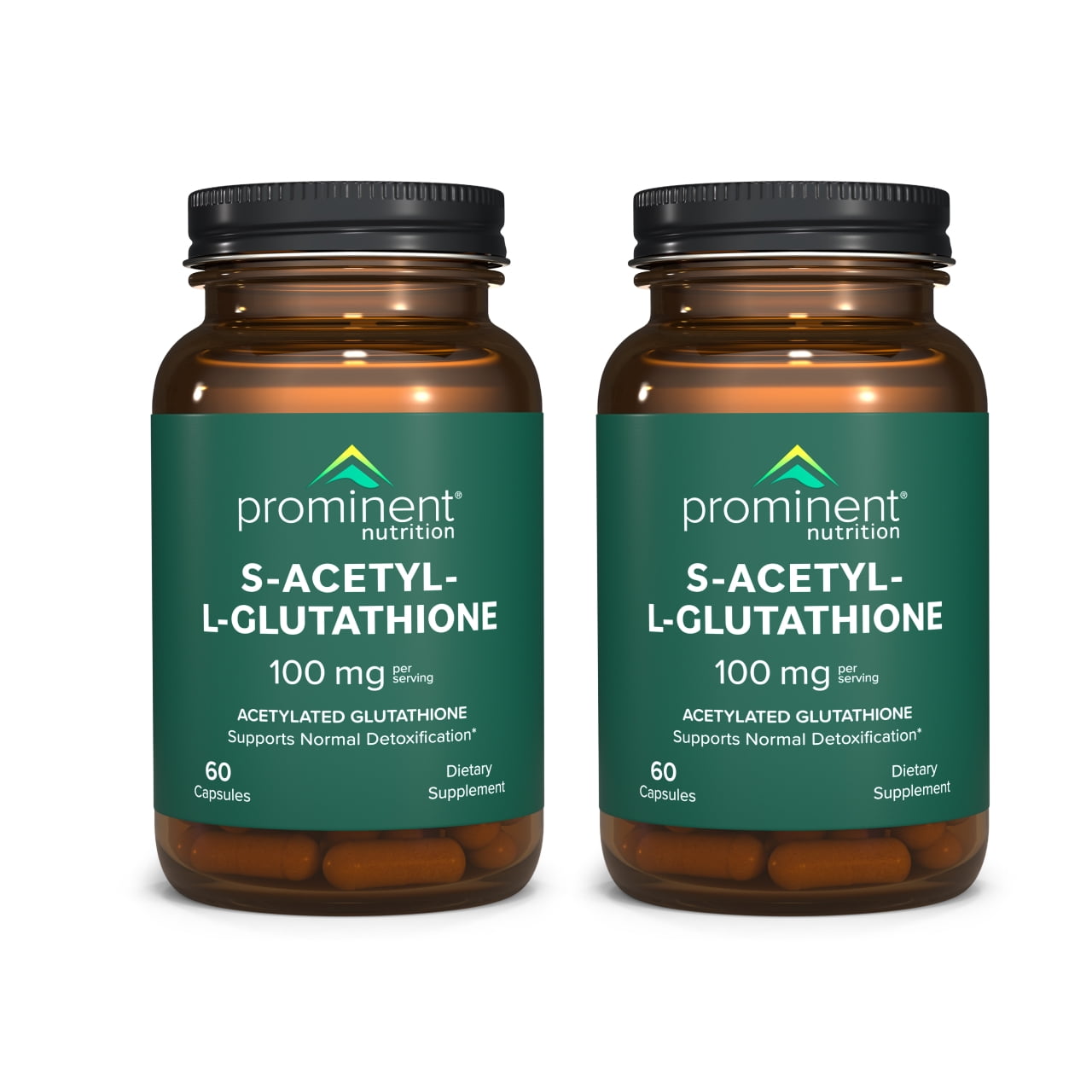
Acetyl glutathione is a modified form of glutathione that’s often included in supplements. The word “acetyl” is part of how the compound is described on labels; consumers usually see it as “acetyl glutathione” or “acetylated glutathione.” People take it as an antioxidant-focused supplement, with marketing that may mention “cellular support,” “oxidative stress,” or “normal defenses.”
Who might fit best? Based on common real-world supplement use among men 55+:
- Generally stable health and no major contraindications: If you’re not dealing with complex liver or kidney instability and you’re not prone to strong supplement reactions, you may be able to test it cautiously.
- People who already tolerate antioxidants: If you’ve used vitamin C, NAC, or other antioxidant-style products without issues, acetyl glutathione safety may be less of a concern—though it still isn’t “automatic.”
- Those looking for “support,” not a treatment: If your goal is wellness support (and you’re okay with subtle, non-guaranteed effects), this category may match your expectations better.
Who may need extra caution? If you have active liver disease, kidney disease, significant reflux, or you’re on multiple medications, you’ll want a more conservative plan and, ideally, clinician input. The question “is it safe to take acetyl glutathione” isn’t one-size-fits-all.
Practical Benefits and Where It Falls Short
From a consumer standpoint, acetyl glutathione benefits are often described as “support” rather than dramatic changes. In practice, the most common “benefits” people report are subtle: feeling like they recover normally, noticing less “tiredness,” or supporting general wellness habits. But real results vary, and many people don’t notice anything at all during an early trial.
Personal experience case (cautious positive): A friend in his late 50s tried acetyl glutathione for general wellness. He started low—around a conservative label dose split across mornings—then adjusted only after a week. In his words, “Nothing wow, but my stomach stayed calm and my energy felt steady.” He kept it for about two weeks, then paused. He didn’t see a dramatic transformation, but he said it “didn’t create problems,” which is honestly a win for someone testing safety at that age.
Negative case (why acetyl glutathione safety matters): Another person I spoke with stopped after several days because acetyl glutathione side effects showed up quickly for him. He experienced stomach upset and a strange “wired” feeling at night. He tried taking it earlier, but sleep still felt off. His result wasn’t “it didn’t work”—it was that he couldn’t tolerate the experience. This is a reminder: even when a supplement is widely sold, acetyl glutathione safety can still be product- and individual-dependent.
What Research Suggests and What It Doesn't
When people ask “is it proven that acetyl glutathione is safe and effective,” the most accurate consumer framing is: the evidence base is mixed and not always aligned with how products are marketed. Some studies and supplement discussions suggest possible antioxidant and cellular support roles. However, study designs, doses, and endpoints vary widely.
What research can suggest (in a cautious way):
- Potential antioxidant-related activity, which is the core reason acetyl glutathione gets attention.
- Possibly supportive effects in certain conditions where oxidative stress is implicated, though results are not uniform.
- Many people tolerate antioxidants reasonably, but “tolerate” is not the same as “safe for everyone.”
What it doesn’t give you certainty about:
- Guaranteed long-term safety for every age group and every medication combination.
- Clear dose guidance across brands, because “acetyl glutathione” on a label may represent different amounts, purity, and delivery forms.
- Definitive answers for every goal (energy, aging, liver support, immune support) at the consumer doses typically used.
In practical terms, if you’re a 55+ man considering acetyl glutathione safety, your decision should hinge on (a) product quality signals, (b) conservative dosing, and (c) your personal tolerance—more than on broad marketing claims.
Ingredients, Formats, and Quality Signals
Most acetyl glutathione supplements you’ll see are oral formats. Typical product details include:
- Capsules or tablets: Often the most common format in retail.
- Softgels: Some brands sell acetylated glutathione as a gel capsule form.
- Powders: Sometimes available for mixing, though fewer “acetyl glutathione” SKUs appear as powders compared with capsules.
- Combination formulas: Some products bundle acetyl glutathione with vitamin C, NAC, selenium, or “antioxidant complexes.” If you want clean interpretation of acetyl glutathione safety, avoid stacking too many actives at once.
Quality signals worth looking for as a consumer review checklist:
- Clear labeling of the active compound amount (not vague “proprietary blends” only).
- Third-party testing indicators (e.g., “tested for purity” claims) and transparent batch-related information when available.
- Simple ingredient lists: Fewer filler ingredients can make it easier to identify causes if you experience acetyl glutathione side effects.
- Expiration and storage guidance: Antioxidant-related compounds can be sensitive; reputable brands typically include handling instructions.
If you want a practical rule: choose a product where acetyl glutathione is clearly stated, dosed plainly, and not hidden behind too many extra ingredients. That’s how you make the “is it safe to take acetyl glutathione” question answerable in your own body.
Comparison of Common Options
| Format | Typical Dose/Use | Pros | Cons | Cost | Best For |
|---|---|---|---|---|---|
| Capsules (single-ingredient) | Start with the lower end of the label; often taken 1x daily | Clear dosing; easy to stop if you notice acetyl glutathione side effects | May require swallowing comfort; dosing may still be higher than you need | Mid | First-time testers focused on acetyl glutathione safety |
| Softgels (single-ingredient) | Usually 1x daily with food | Often gentler for some stomachs; convenient dosing | Softgel base may bother reflux-prone users | Mid to high | People who dislike dry capsules |
| Tablets (single-ingredient) | 1x daily; may be easier for some to split/adjust | Stable handling; predictable intake | Hard tablets can trigger nausea in some users | Low to mid | Routine supplement users |
| Capsules (combo antioxidants) | Often 1–2 capsules daily depending on formula | May reduce pill burden vs buying multiple supplements separately | Harder to attribute effects or side effects to acetyl glutathione | Mid to high | People who already tolerate the combo ingredients |
| Powder / mix-in | Daily scoop (varies); taken with water or food | Flexible dosing; useful if you want to start very low | Taste/texture; less convenient for travel | Mid | Users doing a careful, low-dose acclimation plan |
Buying Framework and Red Flags
Here’s a consumer-style checklist for acetyl glutathione safety and product reliability. Use it like you would in-store: look at the label first, then decide.
- Label transparency: Does the product state acetyl glutathione amount clearly?
- Single-ingredient preference: If you’re testing acetyl glutathione safety, avoid complex blends at first.
- Quality testing: Is there credible third-party testing language or documentation?
- Dosage realism: Is the dose far above what you expected for a first trial?
- Added actives: If it includes vitamin C, NAC, or other antioxidants, can you safely combine them with your current routine?
- Marketing claims: If a brand promises near-guaranteed “detox” or dramatic disease-related results, treat it as a red flag.
- Return policy / reputable seller: Avoid obscure sellers with unclear sourcing and no customer support.
- Expiration and storage: Check dates and storage instructions.

Common Mistakes and How to Avoid Them
The biggest mistakes I see with acetyl glutathione safety questions are usually avoidable:
- Starting at full dose immediately: If you’re 55+, your safest route is often a slower ramp—especially if you’re sensitive to supplements.
- Stacking multiple new supplements at once: If you change two things, you can’t tell what caused the outcome.
- Taking it at the wrong time: Some people notice sleep disruption or reflux-like discomfort when supplements are taken late. If you try acetyl glutathione, start earlier in the day.
- Ignoring early symptoms: If you get stomach upset, headaches, or unusual sleep changes, don’t “push through” as if it’s guaranteed to improve.
- Trusting marketing over label math: Compare milligrams per capsule or serving. “Antioxidant complex” marketing can hide what you’re actually ingesting.
- Assuming oral equals always safe: Oral supplements can still cause side effects, and interactions can happen—especially with medications.
FAQ
Is it proven that acetyl glutathione is safe for a 55+ man?
No single answer fits everyone. Evidence for acetyl glutathione safety is not absolute, and tolerability varies by individual health status and medication use. A conservative, label-based trial with careful monitoring is the practical consumer approach.
How long does it take to notice effects from acetyl glutathione?
In many real-world trials, any “noticeable change” tends to be subtle and may take a couple of weeks. If you notice side effects sooner, that’s already information—consider stopping rather than waiting.
What side effects could happen when taking acetyl glutathione?
Reported issues in consumer experiences often include stomach upset, reflux discomfort, headaches, or sleep disruption. If you experience acetyl glutathione side effects, stop and reassess the dose and timing.
Can I combine acetyl glutathione with medications or other supplements like vitamin C?
Combining may be fine for some people, but it depends on your specific medications and health conditions. If you’re asking about mixing acetyl glutathione with your routine, talk through it with a clinician—especially if you take multiple prescriptions.
Is oral acetyl glutathione safer than injection or alternative forms?
Oral supplements are the most commonly used form and are generally straightforward to trial. Injection or alternative administration isn’t the same category, and the “safety” comparison depends heavily on the specific product, dosing, and medical context—so don’t assume they’re equivalent.
A Practical 2-Week Experiment Framework
If you want to answer “is it safe to take acetyl glutathione” in your own routine, do it like a structured trial—not a wish. Here’s a simple, cautious framework for a 55+ man:
| Days | Plan | What to Monitor | Action if Problems Happen |
|---|---|---|---|
| 1–3 | Start at the lower end of the label dose; take earlier in the day; take with food if your stomach is sensitive | Stomach comfort, reflux, headache, unusual energy/sleep changes | If side effects appear, stop and reassess—don’t “push through” |
| 4–7 | Keep the same dose if tolerated; do not add new supplements during this week | Any pattern (e.g., symptoms after taking, or only at night) | Adjust timing to earlier; if symptoms persist, discontinue |
| 8–10 | If tolerated, you can return to label dosing (only if you planned a ramp-up) | Energy level stability, digestion comfort, sleep quality | Stop if side effects return strongly or worsen |
| 11–14 | Finish the two-week trial; keep everything else constant (diet, sleep, caffeine) to the extent possible | Overall “felt sense” and any repeating side effect patterns | If no benefit and no side effects: you can pause; if side effects occurred: discontinue permanently |
| Optional | If you want to be extra cautious, do a follow-up pause after day 14 and observe for a few days | Whether symptoms fade after stopping | If symptoms clearly improve off-supplement, treat that as a safety signal |
What counts as “success” for acetyl glutathione safety? Often, it’s simply “no problems” during your trial and no new negative patterns. For many 55+ users, that matters more than chasing a vague promise.
About the Author
James Carter is a health and supplements consumer editor who has reviewed over a hundred supplement labels and user-reported experiences with an emphasis on dose transparency, third-party testing signals, and realistic expectations. His review style blends practical consumer safety checks (how you start, how you monitor, what to stop for) with cautious interpretation of research limitations. This article is for informational purposes only and is not medical advice. If you have conditions or take medications, discuss acetyl glutathione safety and timing with a qualified clinician before use.
Note: This consumer-review format can help you decide how to test acetyl glutathione responsibly, but it doesn’t replace personalized medical guidance.
Discussion